Published by Jeremy. Last Updated on March 11, 2026.
Disclaimers: Our site uses demographic data, email opt-ins, display advertising, and affiliate links. Please check out our Terms and Conditions for more information. Listed prices and attraction details may have changed since our visit and initial publication. To see more of our content, set us as a Preferred Source in Google.
Whenever we get home from a vacation, we often find ourselves in a bit of a mental funk. This is, naturally, to be expected- going back to your daily routine after a vacation is always somewhat painful.
But once the laundry is put away, you hit a favorite bar or restaurant for some comfort food, and hang out with friends, you start to slip back into your usual routine just fine.
Unless you’re coming home from Japan.
Every time we come home from Japan, we find that the post-travel blues last much, much longer. The laundry feels like a bigger chore. The restaurant doesn’t hit quite the same. And we need many, many hangouts with friends along the way. Days turn to weeks, and the severity of the depression is on a scale that has never quite come as close anywhere else we have been.
Why is that? Well, let’s count the ways Japan depresses us about having to return home!
Everything in Japan Seemingly Works Just Right
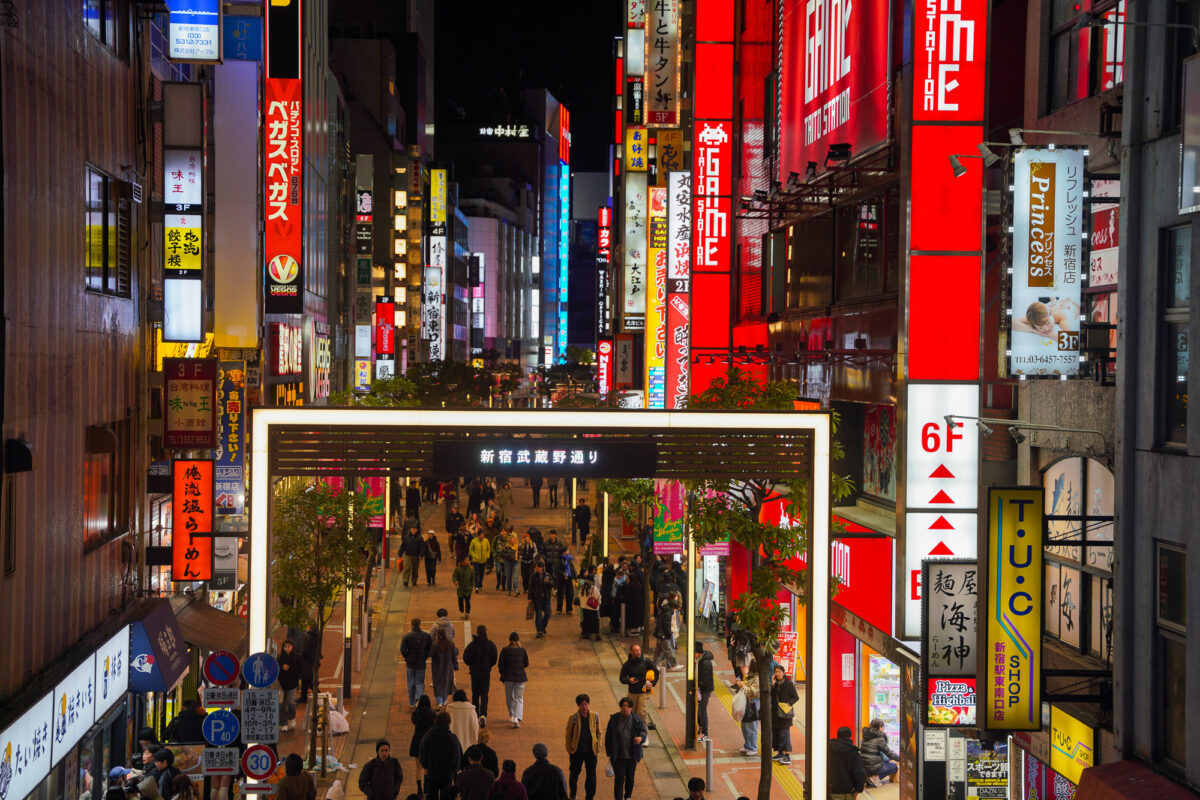
One of the biggest contributing factors to the post-Japan blues is simply that we start to see the pitfalls of life at home with a different perspective. In Japan, things seem to work just right. From trains running on time (and high-speed rail access!) to dining out at a restaurant that doesn’t cost a small fortune. Whereas at home, well, it doesn’t.
Now, I’m sure someone can, and probably will, rush to the comment section with examples to the contrary (and, honestly, keep those to yourself- let me have this one). But from a tourist’s perspective, Japan feels like every little detail of life has been worked out and refined to a degree you just don’t have at home.
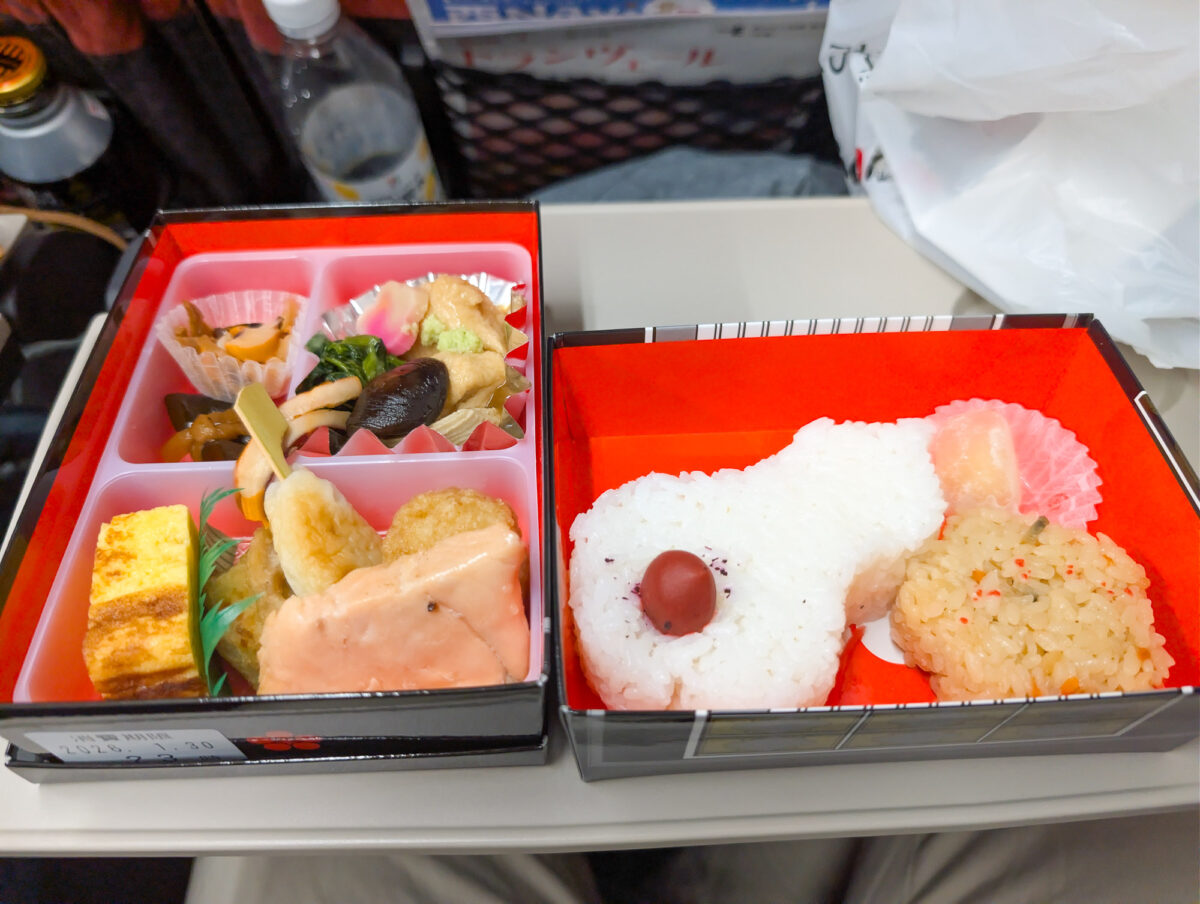
Heck, there were even bidets at the top of the mountains at ski resorts, actually good food at convenience stores and train stations (oh do we love ekiben!), state-of-the-art technology next to several hundred-year-old temples, and so much more. When I say every little detail, I mean it is truly easy to fall in love with everything about Japan. Some influencers may use the overused trope of “Japan really is living in 2050,” but we really would just say “Japan is living in [current year]- it is everyone else that is behind.”
It certainly feels that way most of the time.
Although I could go on listing off every example for why things in Japan work so well, it is really the part where you notice the lack of those elements at home that contributes to the post-Japan blues. You mean I have to wait 20-30 minutes for a bus when the next train would arrive in 3 minutes? What do you mean that the bus is delayed? How is my meal at a Japanese restaurant at home 3x the price of what we had in Tokyo (and not nearly as good quality-wise)? Why was Japan so clean despite a lack of public trash cans? I could go on.
All those perfect elements that visitors fall in love with are often noticeably absent everywhere else, and it takes us quite some time to get used to the downgrade.
Kindness is the Norm
✈️ Book Your Next Trip
- • Planning a trip? Find a flight deal.
- • In need of a room? Check out hotel and Airbnb prices.
- • Taking a cruise? Find a cruise itinerary for your journey.
- • Book a rental car or day tours to explore more as well!
- • Don't overlook travel insurance to protect your trip, too!
Another contributing factor to the post-Japan depression is that everyone we’ve met in Japan has been so incredibly kind. Not in a fake “we’re nice to tourists” way you may have experienced elsewhere, but in a genuinely nice way that is simply few and far between elsewhere.
I still have fond memories of my first visit to Japan, where I asked someone for directions, but they didn’t speak English. Instead of saying sorry and waving me off, they spent about 10 minutes trying to find someone who spoke English who could help me.
I felt pretty embarrassed by that, as I certainly didn’t want someone to go out of their way to help me, but it was an act of kindness that has stuck with me nearly 20 years later.
Cut to several more visits over the years, and I am still always blown away by the kindness we receive as visitors. It is real, genuine, and perhaps most noticeable when you get home to anything less. There is kindness, sure, but then there is Japanese kindness, and I would put it firmly at the top of the list of any country I’ve visited.
Coming home just isn’t the same, and you notice a difference the moment you get on the plane (well, if not flying on a Japanese airline, that is).
You Also Appreciate Real Quiet Time
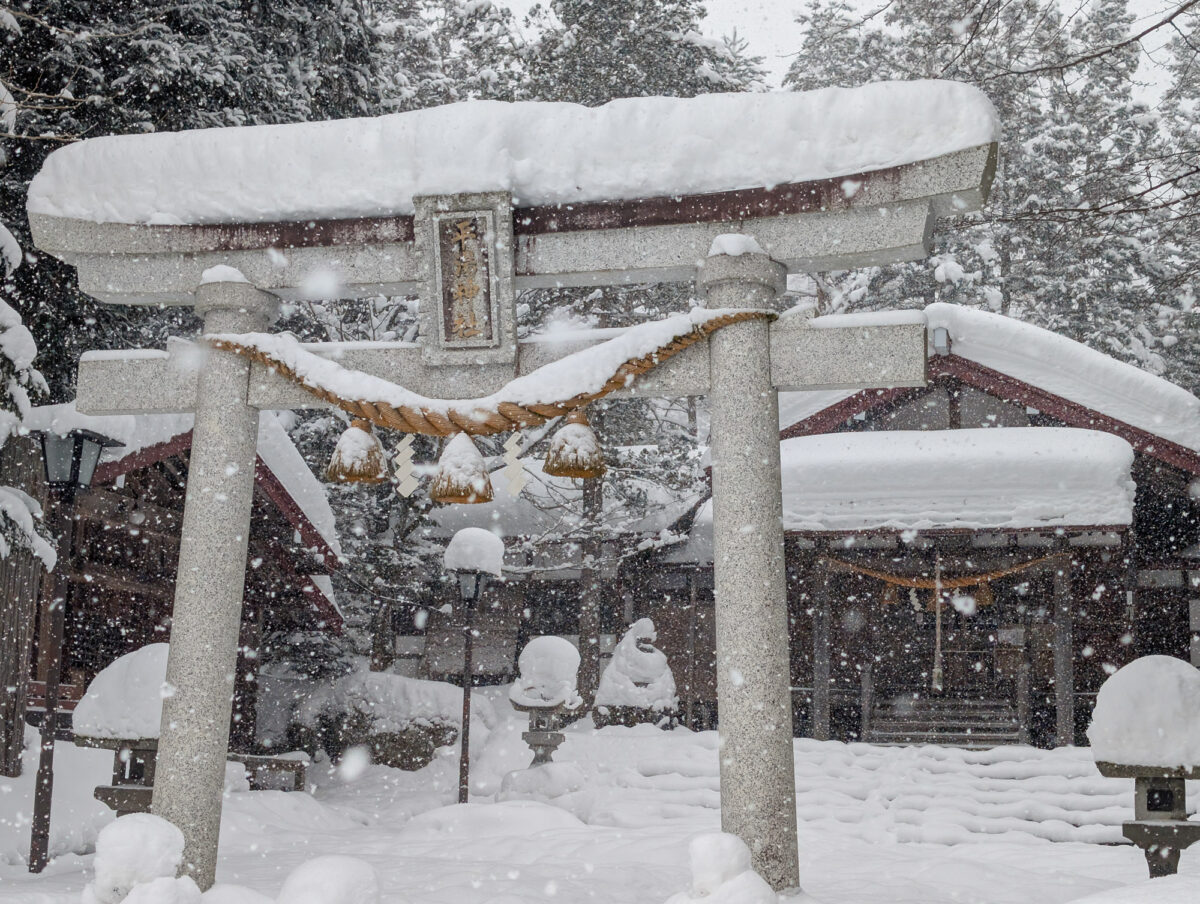
This one may perhaps be just a tangent of kindness being the norm, but I also found Japan to be, dare I say, actually rather quiet on the whole.
Yes, cities are busy. They are bustling. There is always ambient noise (and, depending on where you are, there actually can be a lot of noise). But then you go one street over and enter a temple where it is serenely quiet. Or you’re on the train, and no one has music blasting or is taking a call for everyone to hear. Or you’re in a restaurant where indoor voices are the norm, and you can barely hear a conversation one table over.
As with other examples, it is only when you return home that you notice a difference.
We have another not-so-fond memory returning home from Japan, hitting up one of our favorite restaurants near our house for brunch, and promptly being treated to the sounds of a screaming child for nearly the entire meal. We were so frustrated by the experience and couldn’t quite figure out why for a few moments. There are always screaming kids at home. We are used to screaming kids at home. Why is this screaming kid bothering us so much?
You know where we didn’t hear screaming kids? In Japan, for nearly three weeks.
When we realized that, we took a moment to think about whether we had ever heard a screaming child, and could only come up with one example in Japan. It was at a restaurant, and they were American. That tracks.
The Only Cure is Time (and Booking Another Trip)
The unfortunate downside is that there is no real cure-all for the post-Japan travel depression, other than perhaps recognizing that everyone goes through it. From there, it is simply letting enough time pass that you start getting used to your normal life once again, which, for us, was at least a month.
We filled our void by eating at a lot of Japanese restaurants at home, interrupted with some favorite dishes we didn’t eat while traveling (read: mostly pizza and tacos), and by spending as much time with friends as possible. But even there, that only got us part of the way out of our returning home blues. Booking another trip was another one, but only as a substitute, as getting on the road always makes us happier.
Truly, the only real cure for post-Japan depression is time, accepting that you can always go back in the future, and that’s all there really is to it.
To finish this one, I do want to take a moment to step back and point out that this post wasn’t so much meant to knock wherever you call home, or even to glorify Japan on a higher pedestal than other destinations (even if I perhaps did just that). Really, I just wanted to share a few reasons why post-Japan depression hits harder than the regular post-trip depression we have from other travel destinations for those who may be in the same boat.
If anything, just knowing you’re not alone in the feeling is sometimes enough. So if you’re struggling with post-Japan depression, perhaps you can feel a little bit of solace that we, plus millions of other visitors every year, have also felt that way when going home.
Japan is really that cool, and we are fortunate to have visited.
How did you recover from the post-Japan blues? Comment below to share!
About Jeremy

About the Author: Jeremy is a full-time travel writer based in Pittsburgh and primary author of this site. He has been to 80+ countries on five continents and seeks out new food, adventure activities, and off-the-beaten-path experiences wherever he travels.
For us Japanese people, traveling abroad can sometimes have the opposite effect. We experience trains that are significantly delayed, buses that make us wonder whether the timetable means anything at all, the need to be more cautious about safety, and surprisingly high prices when eating out.
Then, when we return to Japan, we sometimes find ourselves thinking, “I’m so glad to be back. Japan really is a comfortable place to live.” In that sense, traveling abroad can actually make us appreciate Japan all over again.
That said, experiencing what makes each country special—its unique food culture, art, and way of life—still leaves us with wonderful memories. And that is one of the best things about traveling.
I could absolutely see that! I admit that I am ok dealing with things like prices (in some respect) and train/bus timetables having issues to explore and see new places and cultures. But returning back to something that works so well sounds pretty nice too!