Spanish Lessons in South America – Lost in Translation

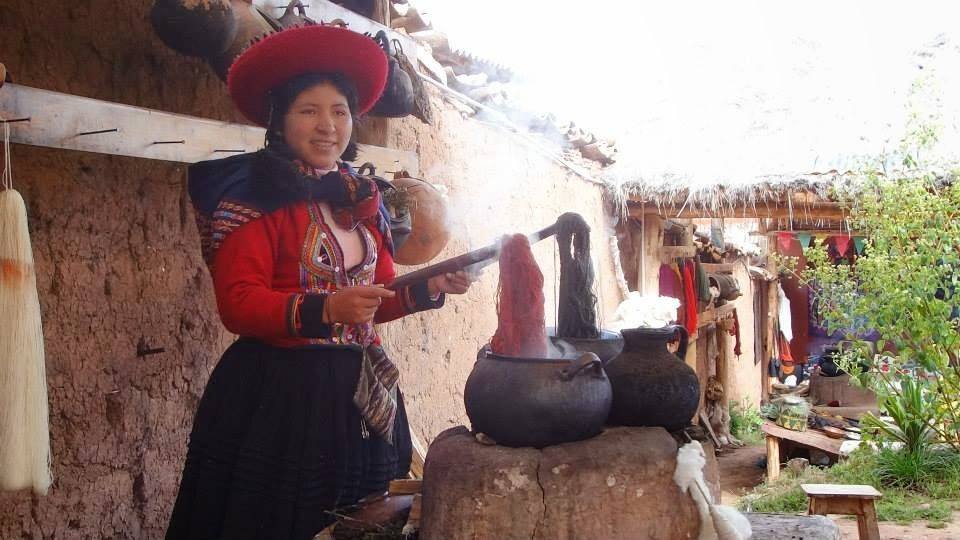
Woman in handicraft market in the Sacred Valley, PeruWhen the plane landed I was pumped. We had finally made it to the region of our trip that I was most excited for: South America!

I studied Spanish in high school and remembered quite a bit of it, plus I had been brushing up using the language learning app Duolingo and other Kindle books.

I was ready to breeze through this continent with my awesome Spanish skills.

Well, it didn’t take me long to realize that things are a bit more complicated than that. Instead of friendly Spanish conversations I was met with blank stares. When reading menus, I resorted to the tactic of pointing at something and hoping for the best.

Basically, I had learned Castilian Spanish (what they speak in parts of Spain) and there are surprisingly a lot of differences between that and Latin American Spanish. I’m sure that tour operators are probably a huge resource when it comes to languages and the differences so next time I do a big trip I might go through someone like that.

Combine that with slang and dialects that are wildly different from country to country just within South America, and you’ve got a much more complicated language than I had anticipated.

What are some of the things that we learned that can help you communicate more effectively when you visit South America? We let you in on them in this post.

Read more

The Freshest Cup of Colombian Coffee You’ll Ever Have

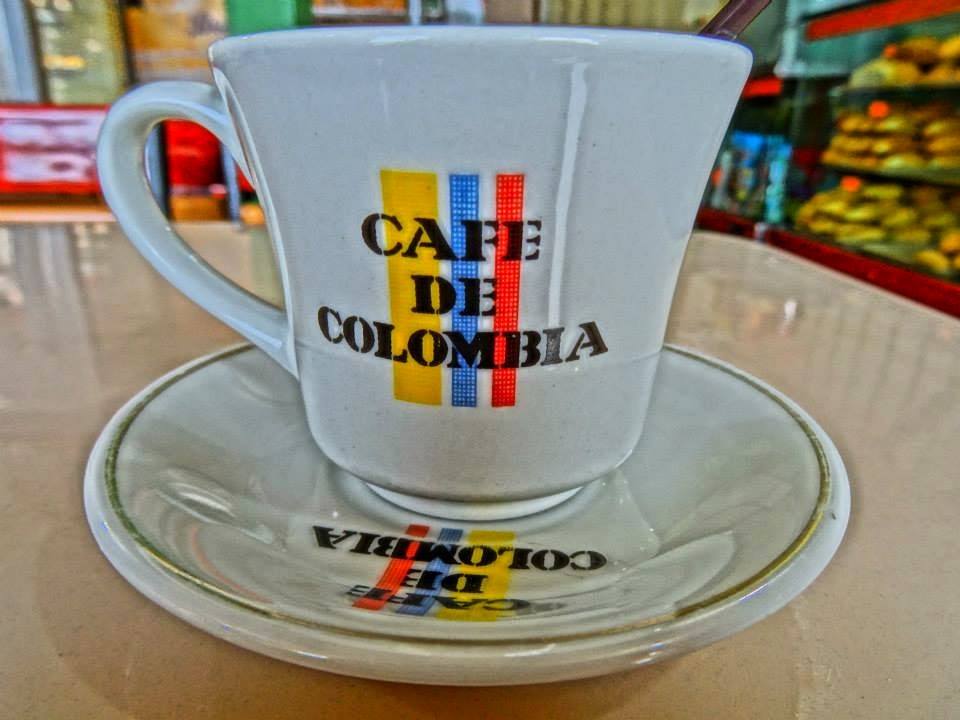
Colombia is an interesting destination for coffee lovers.

Just because Colombia is the third largest producer of coffee in the world doesn’t mean you can easily find a great cup of joe there.

Similarly to the great cacao produced in Ecuador, in the recent past pretty much all of the great coffee produced in Colombia has been exported to other countries.

That left Colombia with low-quality beans and people who didn’t necessarily know how to roast and brew coffee.

Luckily, over the past few years, specialty coffee shops focused on local brews have popped up all over the place and coffee farms have started opening their doors to visitors.

It’s now possible to see first hand how coffee is grown and processed, and even taste some coffee brewed from the high-quality beans that farmers are starting to keep behind to sell to tourists.

Perhaps the most beautiful place to start your exploration of the Colombian coffee region is Salento. With several coffee farms within walking distance of town, well-preserved and brightly colored architecture, and the Cocora Valley with the world’s tallest palm trees nearby, Salento makes a great place to spend a few days.

We toured three fincas during our time there, each having their own unique philosophies on growing coffee and each providing different and insightful information on this revered plant.

Read more

That Time Angie Made Us Stay in a Sex Hotel

Enjoying the surround sound of a half-dozen Colombian men getting it on with their mistresses during our stay in a sex hotel was not something I would have put on my bucket list.  

But it happened anyway.

Welcome to your first night in Colombia!

Read more

The One Reason to Skip Cuenca, Ecuador on Your Next Trip

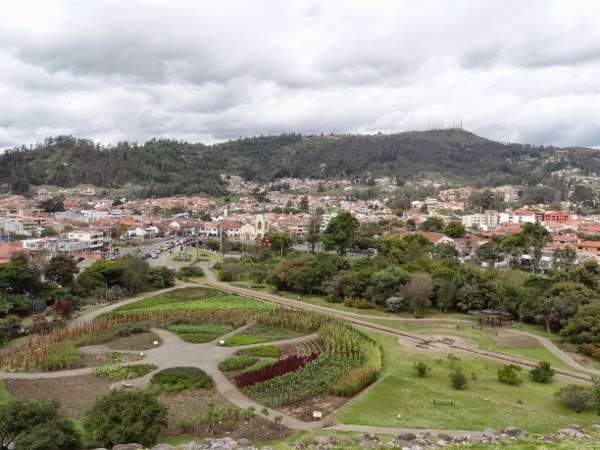
Overlooking Cuenca from the Inca RuinsWithin moments of arriving in Cuenca, Ecuador, we felt an odd familiarity. 

The city seemed eerily similar to one we had visited a few months prior, down to just about every detail.   The buildings looked identical, the public squares just as pristine, and many of the people wore the same traditional style clothes as we saw during our stay in Sucre, Bolivia.

With our excitement at the highest levels, since Sucre has earned a spot in our Top 10 Favorite Cities anywhere in the world, we were thoroughly prepared to start throwing around the same distinction for Cuenca.

But there was one key difference which brought our whole experience down several notches.

The city is overflowing with expats, and the ones we encountered were all quite rude.

Read more