
Published by Jeremy. Last Updated on January 7, 2026.
Disclaimers: Our site uses demographic data, email opt-ins, display advertising, and affiliate links. Please check out our Terms and Conditions for more information. Listed prices and attraction details may have changed since our visit and initial publication. To see more of our content, set us as a Preferred Source in Google.
While many travelers like to visit Europe in the summer months (and oh is it busy), we’re starting to travel more and more in the winter months.
Part of this is to enjoy winter activities like seeing the northern lights or other outdoor activities (snowshoeing, skiing, etc.). But another part is because Europe in the winter is often much quieter (apart from select destinations) and gives us a chance to go slower and enjoy a different style than what we were used to in the summer months.
In a way, visiting northern Europe in the winter is like a double-sided coin. On one side, we have perks for traveling in a slower season. On the other side, there is an associated drawback because of the winter season. So while we do love visiting northern Europe in the winter, there are many pros and cons to consider!
Note: We should reiterate that this article focuses on northern Europe in particular over the Mediterranean. Some of these cases may apply further south, but we’re looking at places that are cold, dark, and, depending on the temperature, snowy here!
Pro – Less Crowds in Some Places
Con – More Crowds in Others

For those who regularly travel to Europe, you’re probably intimately familiar with the seasonal variability seen in popular destinations. Summers are incredibly busy, shoulder seasons less so (and perhaps the most ideal time), and winter the least of the three.
Although we’d argue that most tourist-friendly cities are going to be busy year-round these days, most destinations in northern Europe have a marked difference in feel when visiting in the winter versus the summer. It is busy, sure, but not mind-numbingly busy the way the summer months are. So if you’re looking to visit a popular northern European city with some breathing room, winter could be a great option.
That said, some cities in northern Europe have the opposite effect and can be even busier in the winter months. Think places that are dominated on winter sports like skiing, aurora borealis tourism (Tromso, Norway, for example), and anywhere with a Christmas market during the holiday season. There is Alsace in the summer busy, and then there is Alsace during a Christmas market on a weekend in December busy.
Although we are partial to the winter “busy” destinations because, let’s be honest, for the most part they’re not that bad (Christmas markets excluded), these are important considerations to keep in mind all the same.
Pro – Easier Access to Attractions & Restaurants
Con – Some Places Are Closed
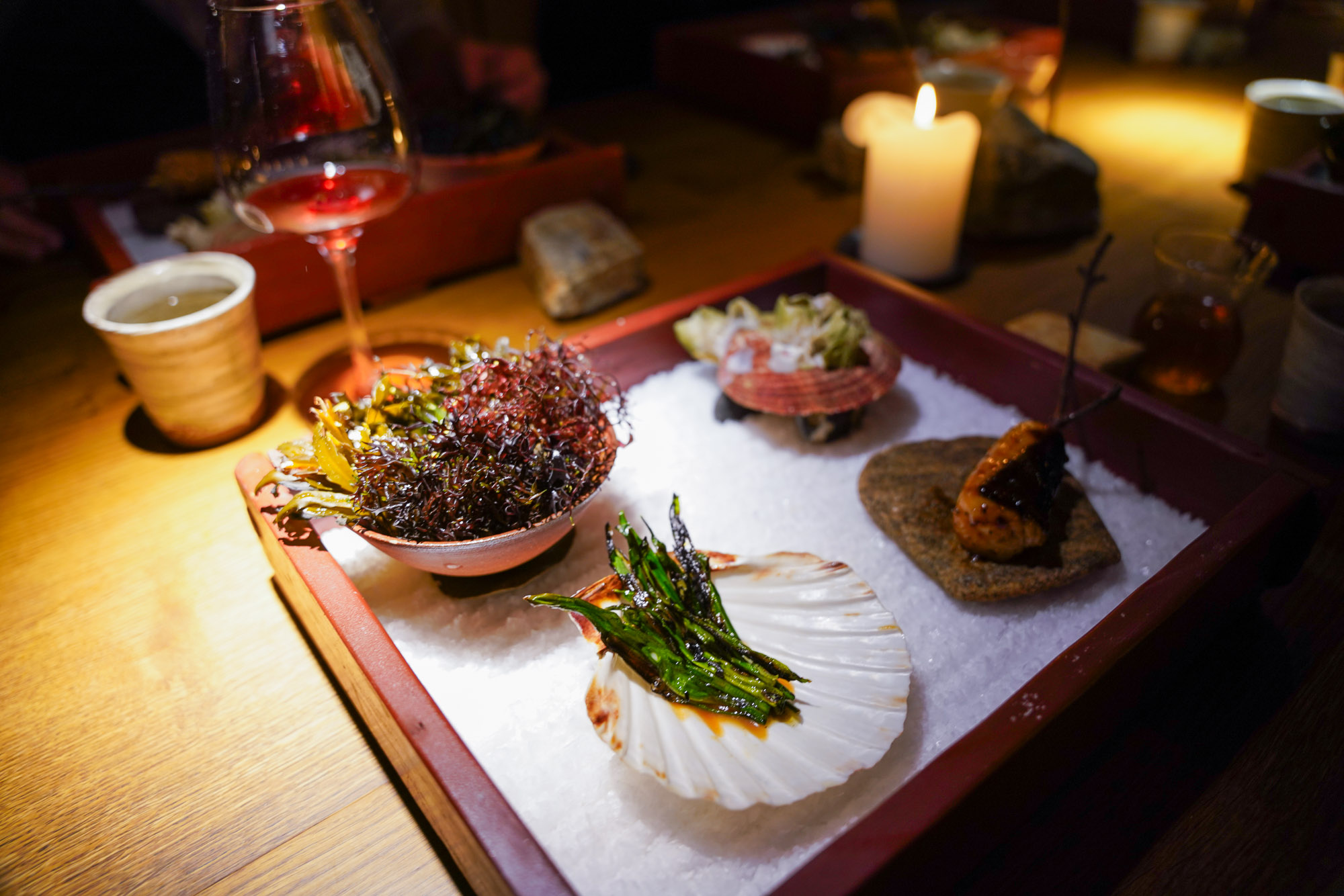
Another element of visiting northern Europe in the winter that we loved was that we have historically had a much easier time to get into bars, restaurants, attractions, and other businesses that are highly sought after.
Getting a reservation at a Michelin-star restaurant just a few days in advance? Yep, we’ve done that. Walking into a Top 50 cocktail bar without a reservation at all? That too. Buying tickets to a museum that normally sells out days or weeks in advance? We’ve had luck with that one as well!
This isn’t foolproof, of course. We’ve also encountered places that are still booked up. But the point here is that getting into attractions, restaurants, and bars is, on average, a fair bit easier in the winter than it is in the summer- assuming places are open at least.
One downside to visiting popular destinations in the winter months is that some businesses are closed. This could be a full seasonal closure (like, for example, some wineries) or simply not operating as many days of the week as they do in the summer months. So if you are thinking of visiting northern Europe in the winter, we’d also preface to not get your heart set on doing everything, because some things simply may not be open at all.
Pro – Cheaper Prices at Times
Con – Variable Weather
✈️ Book Your Next Trip
- • Planning a trip? Find a flight deal.
- • In need of a room? Check out hotel and Airbnb prices.
- • Taking a cruise? Find a cruise itinerary for your journey.
- • Book a rental car or day tours to explore more as well!
- • Don't overlook travel insurance to protect your trip, too!
Apart from winter-centric destinations (think: ski resorts, places you’d go for the aurora borealis, or Christmas market hotspots), one other benefit of visiting northern Europe in the winter is that prices for things like hotels tend to be lower.
Less demand drives competitive pricing, after all.
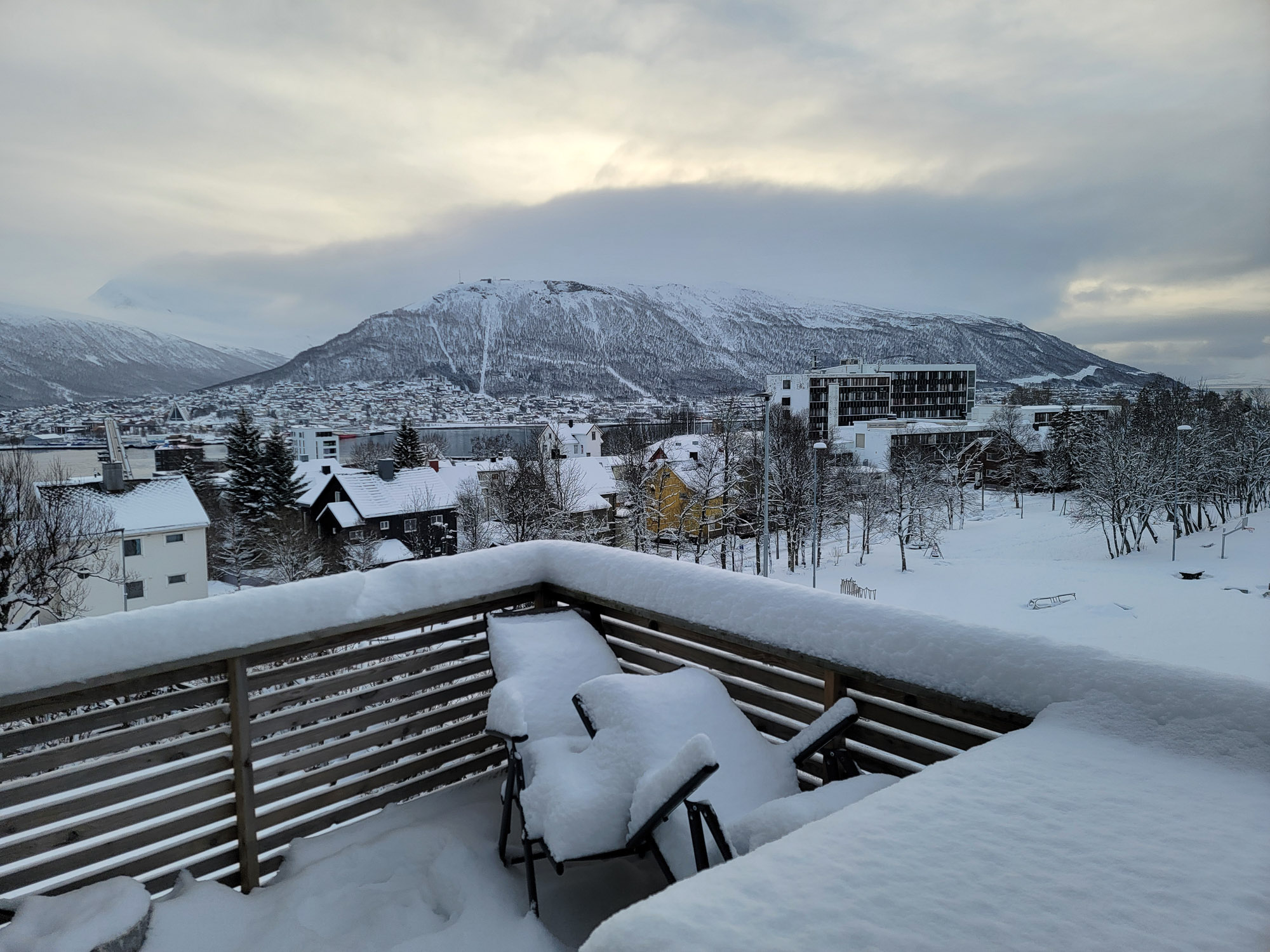
Of course, the reason for less demand should be painfully obvious by now, but we’ll give you another one- variable weather. In the extreme north, like in the Arctic Circle, you could have a sunny day followed up by a blizzard dumping a foot of snow. In mainland Europe, like Paris, you could have a sunny day, a rainy day, a snowy day, and a sunny day where everything turns to mud.
We personally don’t like the latter combos. If it is going to be winter, we’d rather it be snowy for the entire season. But this is what you get when you travel in the winter, and it is a tradeoff to get the benefits of cheaper prices and others mentioned here.
Pro – Aurora Borealis Odds Go Up
Con – It is Also Dark a Lot of the Day
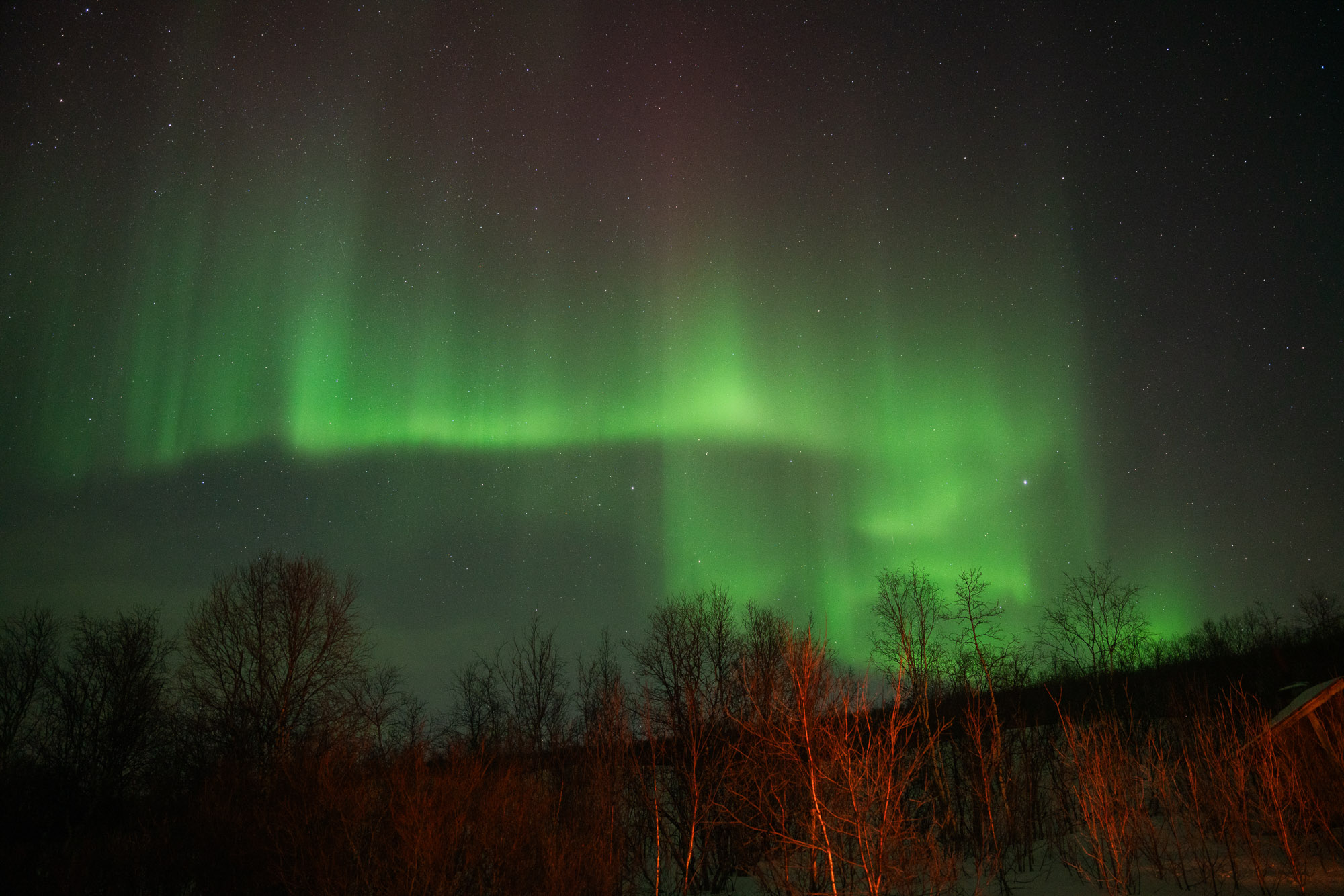
We wanted to end this one with a final note for those who are hoping to see the aurora borealis when visiting northern Europe in the winter, as this is something that is on everyone’s minds when heading north.
First, the unfortunate truth- the odds are not in your favor until you get closer to the Arctic Circle. So while places like Paris, Copenhagen, Stockholm, Oslo, etc. all feel “north”, for the purposes of the aurora, they’re not. Yes, sometimes there may be a powerful aurora that extends that far south. But that also requires clear weather, which most of those places often don’t have.
So while it is true that your odds of seeing the aurora go up in the winter, you really need to make an effort to go much further north for those odds to be appreciable.
Now, the downside that impacts everyone, whether you’re in Paris or Tromso, is that it is dark a lot of the day. Unless you live in Canada, it is likely easy to forget just how far north most of Europe is. Now when traveling to the northern parts of Europe as part of that, you really are getting up there, and you can feel it with the number of hours of darkness in the winter months.
Paris, to us, is decent. Stockholm and Copenhagen is pushing it. Tromso in the winter? Well, good luck with the darkness.
But, like everything else in this one, these are all tradeoffs. If you want to see the aurora, you go where it is dark. If you want to save money, you go when there are fewer people. All of these work together and still make northern Europe an excellent destination to visit in the winter- insofar as you can accept some of the downsides along with the perks.
Overall, like any other season, there are perks and drawbacks to visiting Europe in the winter. While we think the pros outweigh the downside, these are important details to keep in mind before planning your trip!
Do you have any tips for visiting northern Europe in winter? Comment to share!
About Jeremy
About the Author: Jeremy is a full-time travel writer based in Pittsburgh and primary author of this site. He has been to 80+ countries on five continents and seeks out new food, adventure activities, and off-the-beaten-path experiences wherever he travels.