Published by Jeremy. Last Updated on September 25, 2026.
Disclaimers: Our site uses demographic data, email opt-ins, display advertising, and affiliate links. Please check out our Terms and Conditions for more information. Listed prices and attraction details may have changed since our visit and initial publication.
Oh Japan, you are one delicious country!
It is virtually impossible to discuss all of the great dishes that can be found throughout Japan. From national staples to regional specialties, you could eat your way around this country for years and still likely not be able to try every single dish that exists.
Japanese cuisine really is that varied.
But, as we always love to highlight some of our favorite dishes, we thought we’d take a stab at highlighting 10 or so of our favorite Japanese foods you should not miss when traveling in the country.
When possible, we’re going to give some recommendations on individual restaurants where we had some of the best meals during our many trips to Japan as well (in Tokyo, Osaka, or beyond). That said, given Japan’s robust food culture, you can find many of these cuisine types in most cities such that the answer for “where can you find this dish” is, well, everywhere! Recommended spots are only noted as they were a particular highlight for us that we’d go back to without hesitation.
We’re also going to end this one talking about some regional specialties that are a bit harder to find, so don’t miss that as an extra bonus!
- Note: Japan’s food culture is so intense that one of the best ways to get an introduction to a city’s food scene is to take a tour. We do a food tour most every time we visit and they help us find some great gems. Click here to check out some options!
Seafood – Sushi / Sashimi / Nigiri
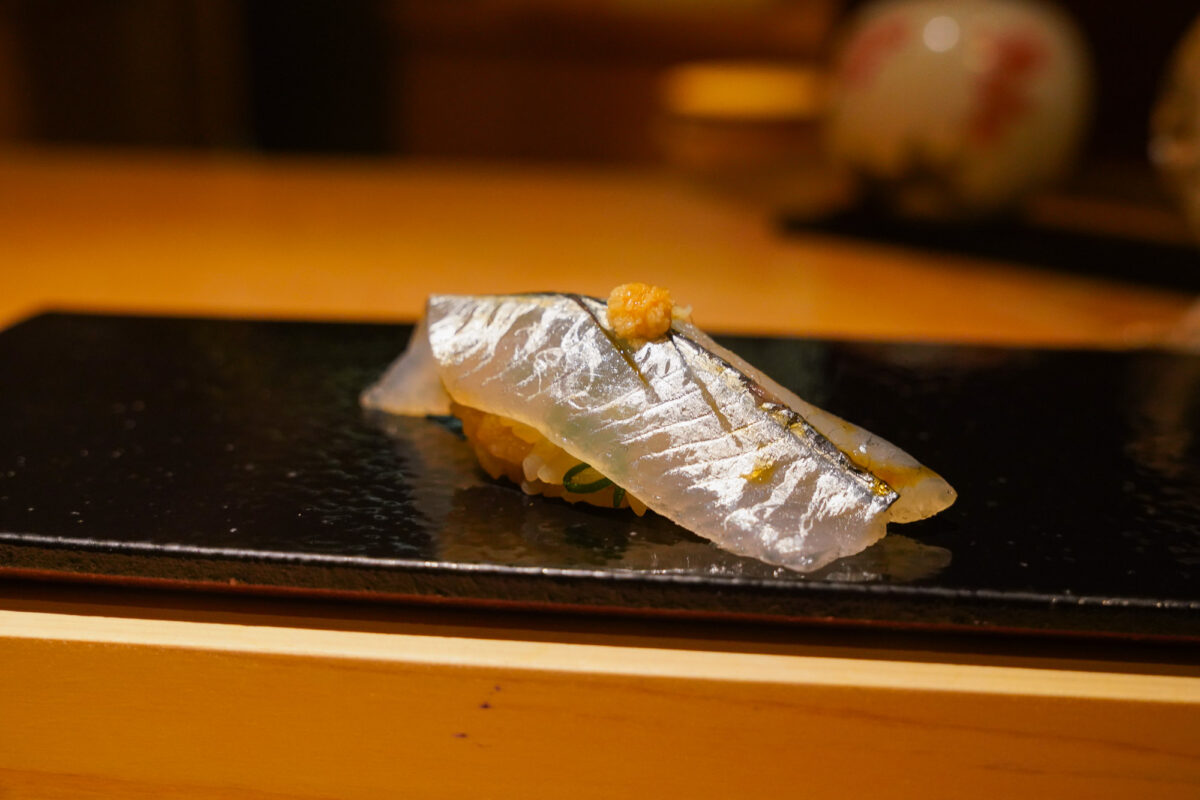
We’re going to go out on a limb and guess that you know that Japan is a popular destination for seafood- particularly raw seafood like sushi, sashimi, and nigiri to name a few.
Naturally, if you are a fish eater, odds are good you’re going to be getting your fill of some of the world’s freshest fish when traveling around the country.
While our natural recommendation is to try everything when it comes to seafood in Japan (be it toro, hamachi, unagi, or more- some of our favorites), there is one item we would strongly urge you to go out of your way to try that may be a surprise- uni, or sea urchin.
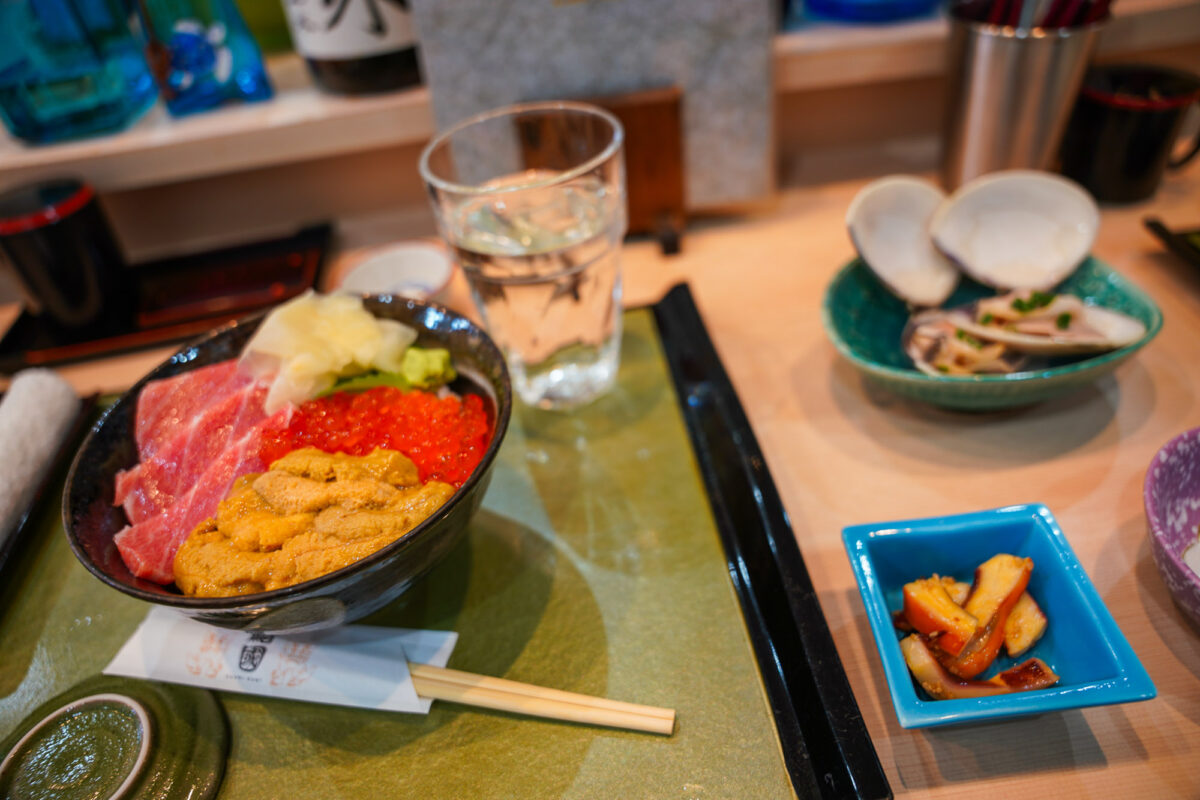
If you’ve had uni before, there is a good chance you may be turning your nose up at this recommendation. Outside of Japan, we have had significantly hit or miss experiences with this particular bite, if only because it can spoil quite quickly. There are reasons why top sushi restaurants fly in uni from Japan weekly- it is best when fresh, and you really can’t get it much fresher than when in Japan (particularly when at a seafood market).
So while you should eat all the seafood, everywhere, all the time, be sure to splurge on some uni at least once and be in for a flavor and texture experience unlike no other.
Where to get sushi and nigiri: As mentioned at the start of this one, fresh seafood is something that you can enjoy seemingly everywhere in Japan. From seafood markets, like the Toyosu Fish Market and the former Tsukiji Market in Tokyo, to restaurants aplenty, from fast casual dining all the way to Michelin-starred meals, you have numerous options when in Japan. Some of our favorites to date have been the Sushikuni in Tsukiji (for uni, in particular), Sushi Yuden in Osaka (for omakase), Izakaya Hachinana in Kanazawa (another great omakase experience) to name a few.
- To read our full review of Izakaya Hachinana, click here. If you’re interesting in attending the tuna auction at the Toyosu Fish Market, click here to learn more.
Wagyu
✈️ Book Your Next Trip
- • Planning a trip? Find a flight deal.
- • In need of a room? Check out hotel and Airbnb prices.
- • Taking a cruise? Find a cruise itinerary for your journey.
- • Book a rental car or day tours to explore more as well!
- • Don't overlook travel insurance to protect your trip, too!
It would be easy to have an entire article dedicated to the seafood side of Japan’s cuisine, and we may do just that in a future post, but that would be doing the country a disservice as it is also a wonderful producer of pork and beef, too!
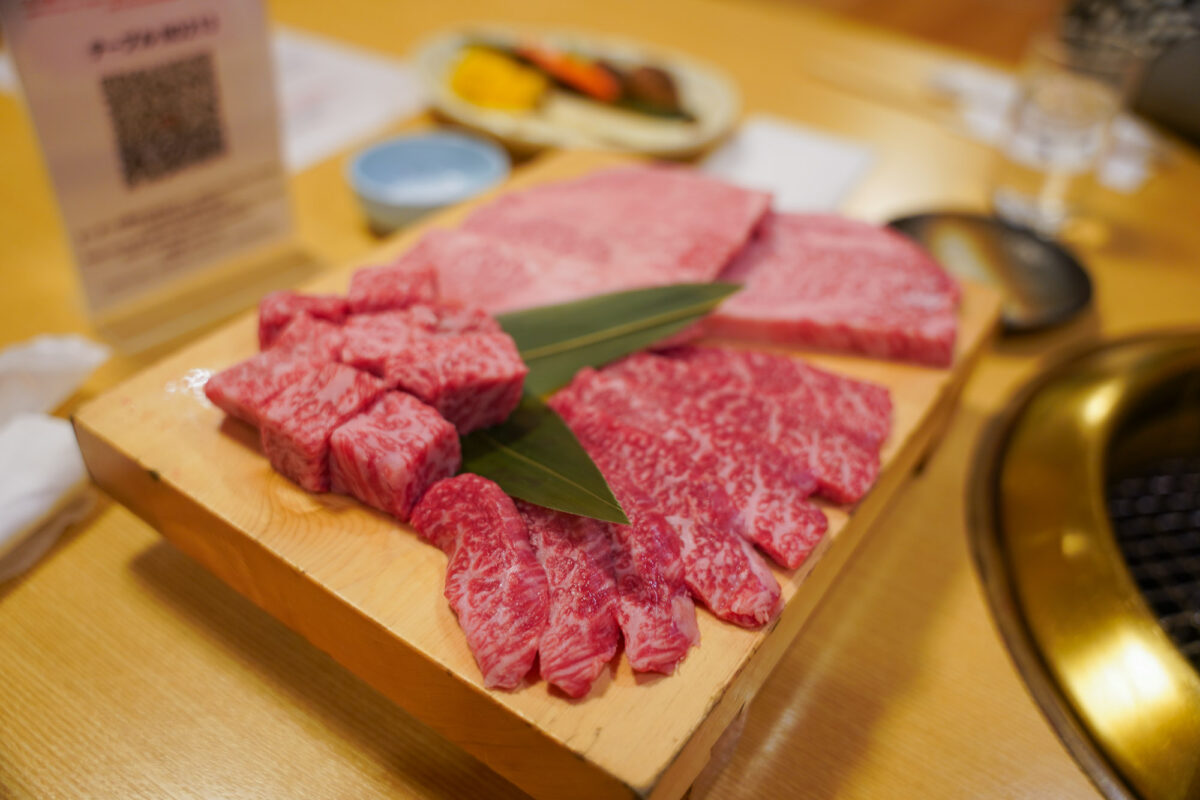
Even if you haven’t been to Japan, odds are good you’ve heard the term Wagyu, which effectively just means Japanese cow (and comes from an approved breed). It is often one of the most prestigious and top graded beefs in the world, with A5 grading being the best of the best. The minute you see a cut of this, with its beautiful marbling, you’ll know it is something you need in your life right away.
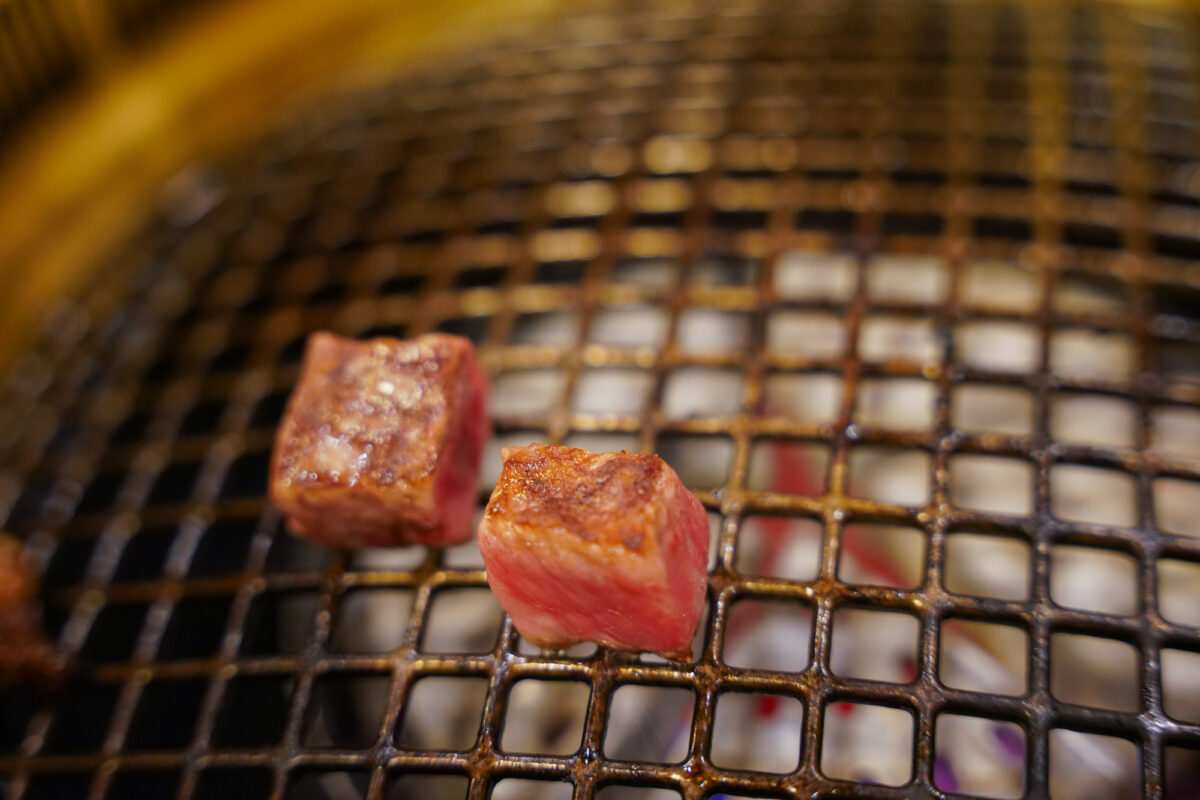
But what you may not know is that Japan has many individual regions that are famous for their Wagyu, like Kobe (which you likely have heard of before), or Hida, Iwate, and more. Much like how you can get sparkling wine anywhere in the world and Champagne only comes from that specific region of France, so, to, are these location-specific types of Wagyu- Kobe comes from Kobe, Hida comes from Hida, etc., and they are a must try when in Japan.
So while you may be able to find certain kinds of beef available in major cities, if you find yourself passing through an area that is known for Wagyu, you know what to do- order the Wagyu!
Where to get Wagyu: We haven’t tried all of the regional Wagyu variations just yet; however, we were blown away by the quality of Hida beef when spending our time in the area. One of our most memorable meals came from Hidagyu Maruaki in Takayama!
Pork Tonkatsu and Katsu Curry
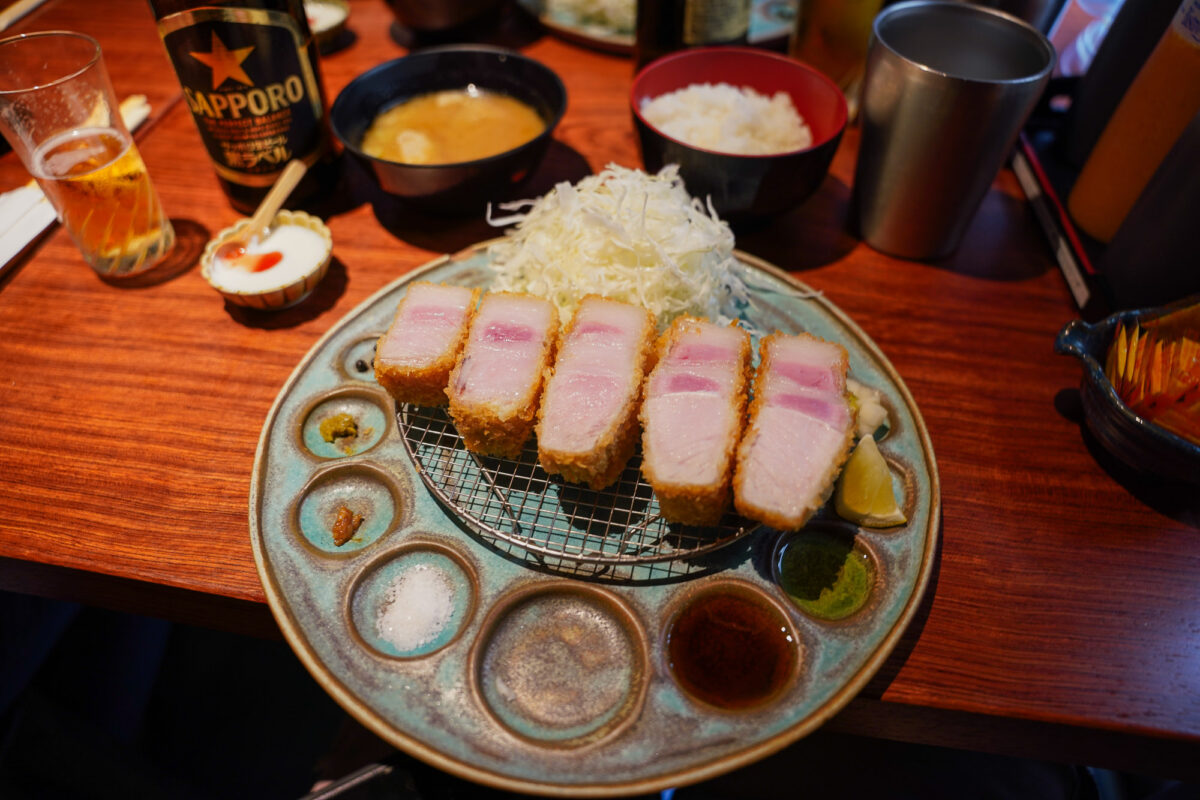
Pork tonkatsu is one of my all-time favorite Japanese dishes, which is made from a pork cutlet that is coated with panko and deep fried in oil. If you want to think of it as a Japanese equivalent to schnitzel, you will be pretty close here.
You may be able to find pork tonkatsu with a number of toppings and sauces, but more likely you are going to find it served with traditional tonkatsu sauce, a dark brown sauce that is sweet, tangy, and incredibly decadent- giving barbecue sauce vibes that is just a bit different from what you would expect.
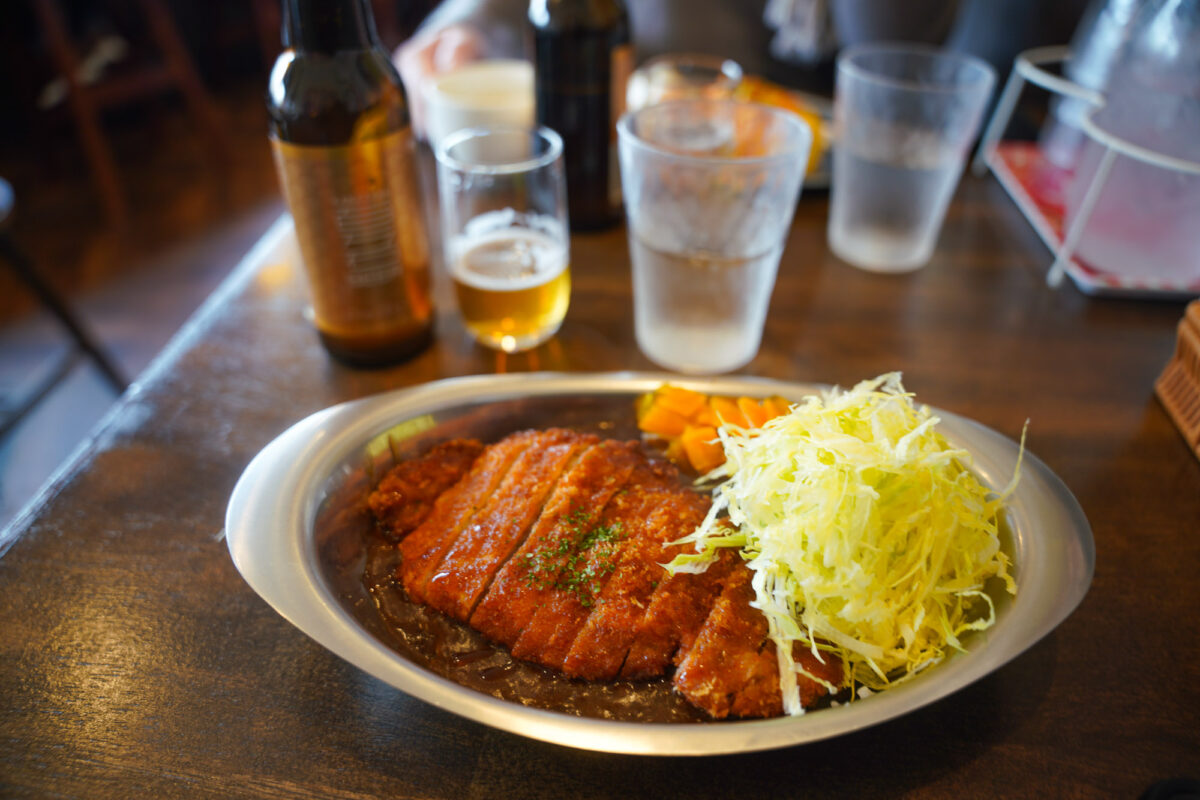
A variant of this dish you may also want to try is katsu curry, which is typically made either with a pork cutlet or a similarly prepared chicken cutlet. The main difference here is that rather than served with a dark brown sauce, this one is often served on a bed of curry gravy and rice- making for a much richer and more savory meal all around.
Do yourself a favor and try both at least once!
Where to get pork tonkatsu: We have been lucky to have many incredible pork tonkatsu all over Japan, and honestly could eat it every other day or so if it wasn’t for the fact that there is more amazing dishes to try. But the absolute best tonkatsu we’ve ever had was at Miyagawa Tonemon in Kyoto, just south of the Gion district. Here, you can pick your preferred cut of pork and they cook it quite beautifully- a perfect medium rare that preserves the best characteristic of the meat.
Okonomiyaki
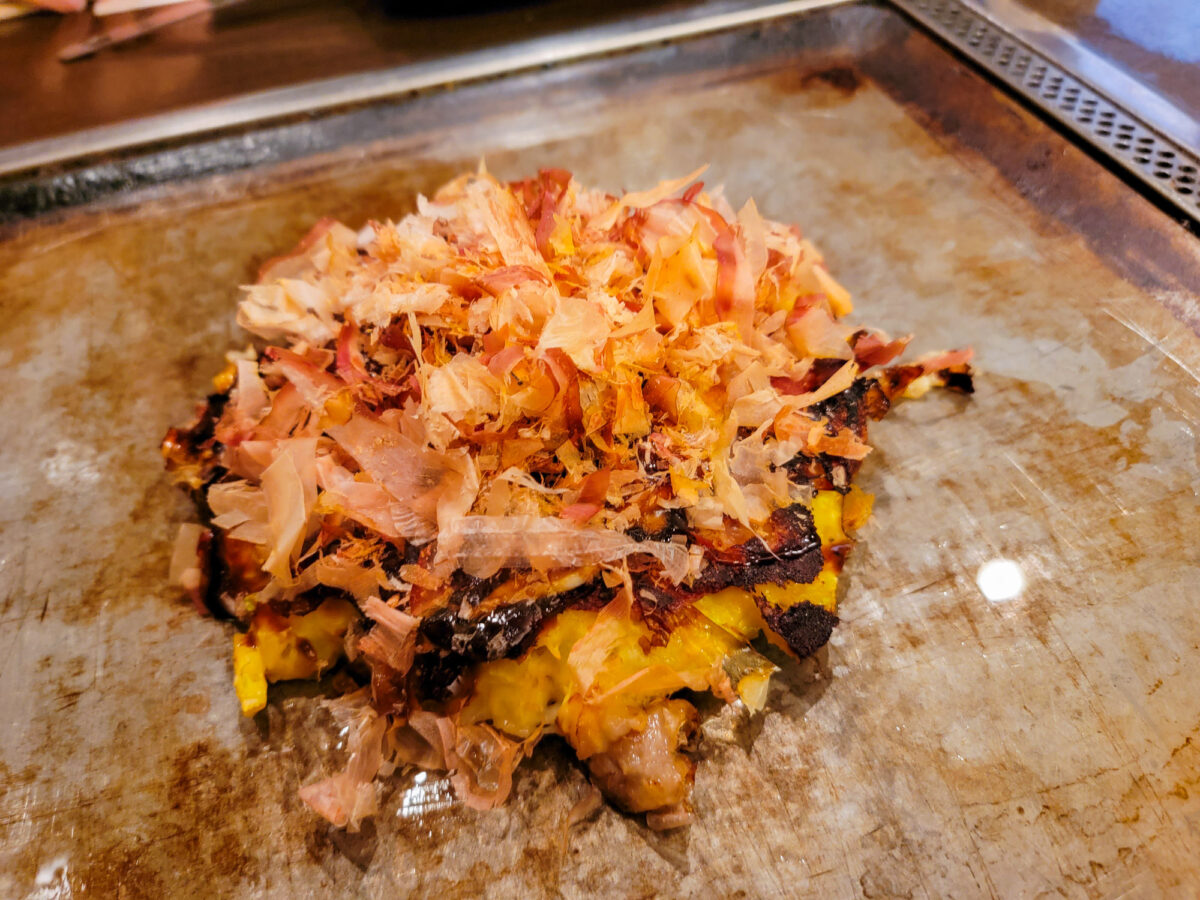
Although I could eat pork tonkatsu nearly every day and never get sick of it, my favorite Japanese food is none other than okonomiyaki. Roughly translated to mean “whatever you want, fried”, this cabbage pancake is cooked on a griddle and topped with many fillings of your choice (be it noodles, a crepe, eggs, plenty of seafood, and more). Most are traditionally topped with bacon, tangy okonomi barbecue sauce (which is a bit closer to barbecue sauce than tonkatsu, in our opinion- it is a bit tangier), kewpie mayo, seaweed powder, and bonito flakes as well, making for a hearty dish that will fill you up.
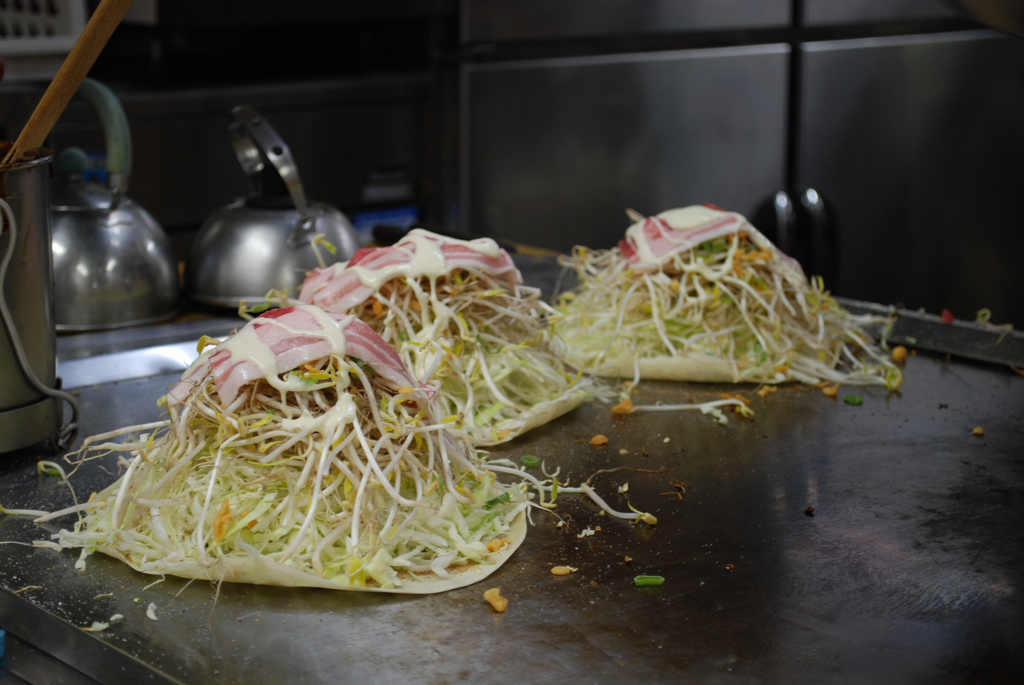
Interestingly enough, okonomiyaki also varies in style by region, with Osaka and Hiroshima both having their own acclaimed variations of the dish. Osaka-style tends to mix everything together in a batter and is cooked together, whereas Hiroshima-style is more layered on the griddle and can include more of those extras like soba noodles (almost always) and egg as well.
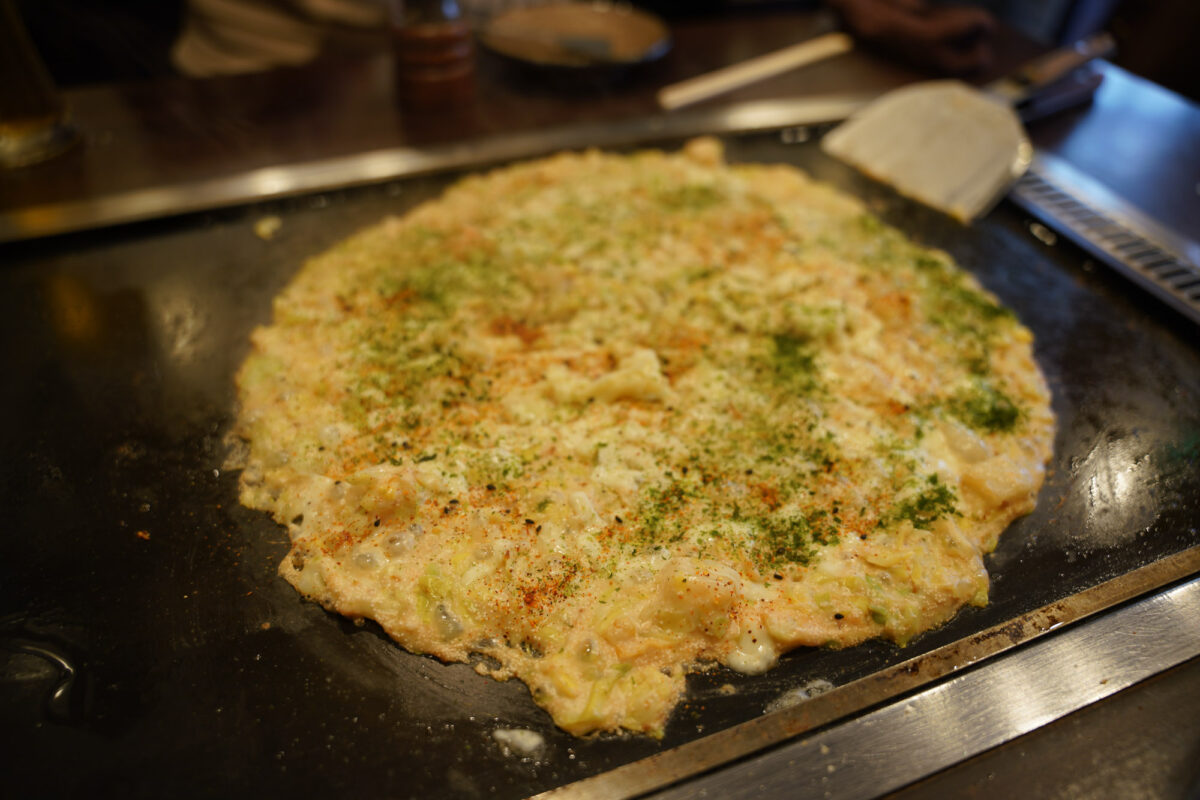
For a different kind of variant, be sure to try monjayaki when in Tokyo, too. This one is flour-based with ample dashi broth, and instead of forming a cohesive pancake-like consistency, is more spreadable and eaten with a spatula. Certainly a fun one to try after you’ve gotten your fill of the more well-known variants!
Where to get okonomiyaki: Naturally, you’ll do well to at least try an okonomiyaki of both Osaka and Hiroshima styles to see which one you like best. When in Osaka, we really loved the okonomiyaki at Houzenji Sanpei; however, this is also one of those dishes where we really have yet to have a bad iteration, so if the restaurant has a crowd and good reviews, stop in!
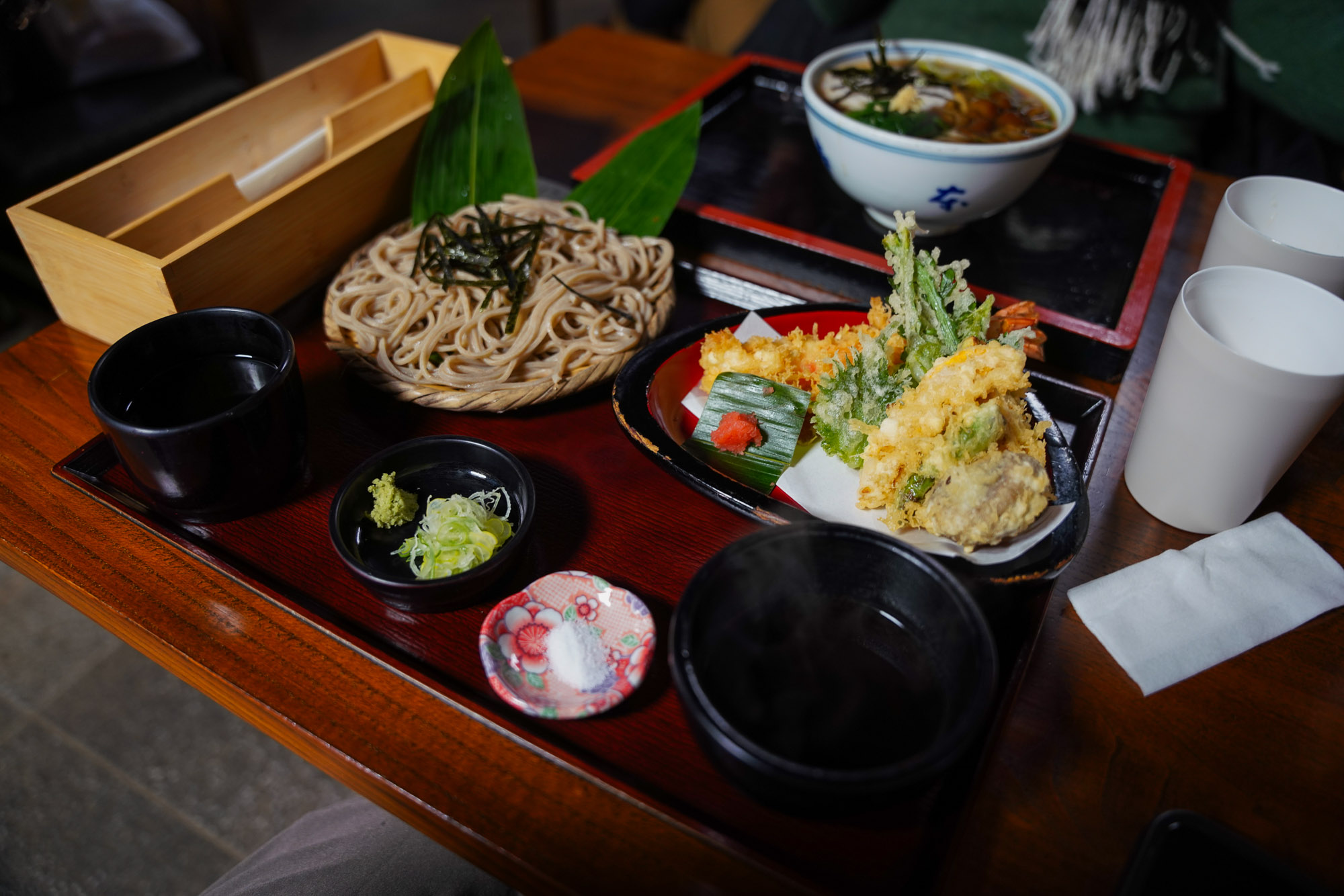
Soba and Udon (Plus Tempura)
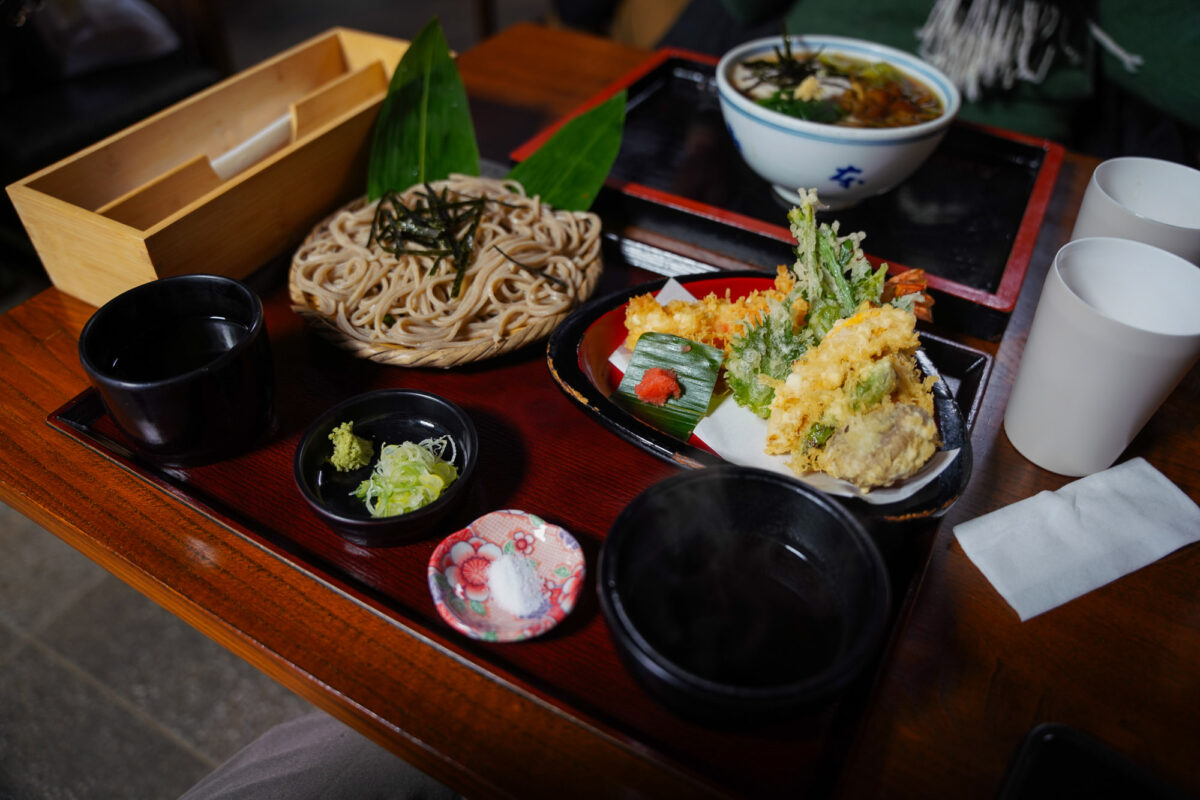
Originally, we were going to have soba, udon, and tempura in three separate categories here, but because of their similarities and overlap, which we’ll talk about here, we decided to lump them in one.
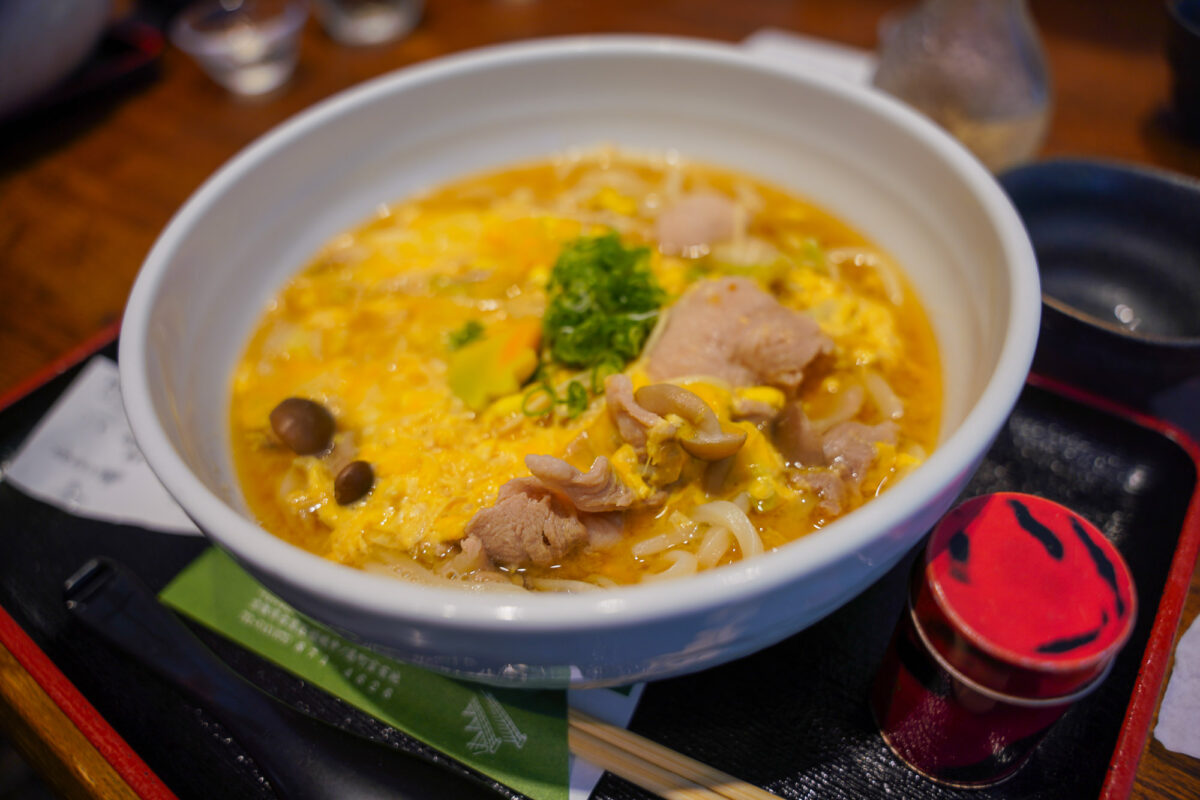
Soba and udon are perhaps the most comparable, as these are two noodle dishes you are likely to find throughout the country. Soba is typically a thin noodle made of buckwheat that can be enjoyed hot or cold and with broths on the side for dipping, whereas udon is a thicker round or flat noodle made of wheat flower and is more likely to be served hot. These are often great vehicles for a sauce or a soup, be it a broth, curry, or something else entirely- giving numerous flavor combinations to try when eating out.
Tempura, on the other hand, is completely different and is a type of food you are probably familiar with. This is a technique of cooking that features lightly battered and fried foods, typically vegetables and seafood- like shrimp.
The reason why we are including these together in a single category is that in many cases you are likely to find udon and soba shops serving tempura options on their menu as an add-on. For example, you may find shrimp tempura available as a topping at an udon shop just as much as you may find it available at a soba spot.
So, much like how there are different soups and sauces you can enjoy your noodles with, don’t overlook adding on some tempura to really tie it altogether if available!
Where to get soba: We really enjoyed the soba at Futaba in Kyoto and Ebisu Soba in Takayama. For udon, it is hard to go wrong with Udon Arashiyama-tei in Kyoto.
Ramen
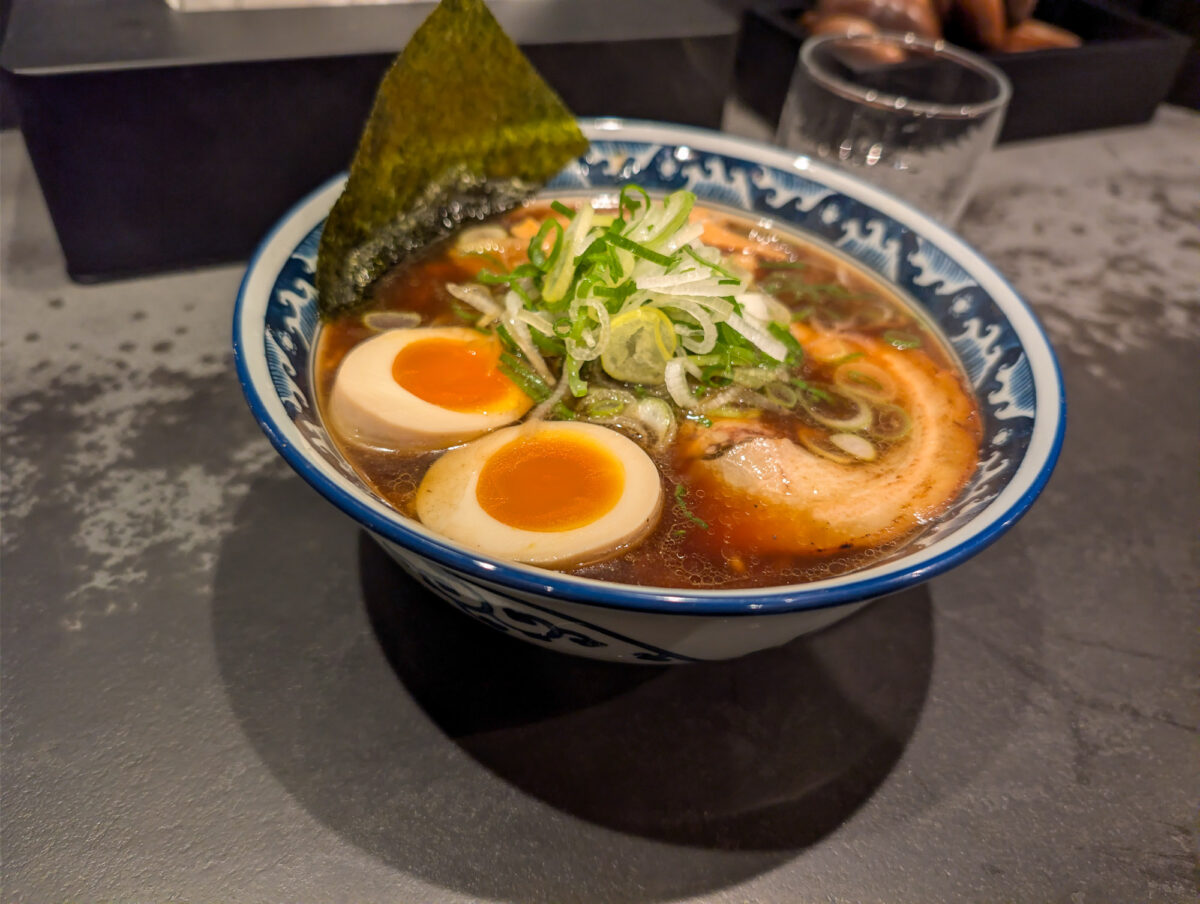
There is one noodle dish that we do need to call out in its own category, and that is ramen. This one features thin wheat noodles in a hot broth, and can come with any number of toppings be it vegetables, beef and pork, shoyu or onsen eggs, and so much more.
Where the fun of ramen truly begins is in the broth styles, as there are many available to try. Angie had a soft spot for miso ramen (primarily because she ferments miso at home), but you would do well to try variants like shoyu ramen (soy sauce base), shio ramen (a lighter salt broth), tonkotsu ramen (a thicker ramen made with boiled pork bones), or even a spicy miso ramen to name a few.
You’re going to be seeing a lot of ramen combinations when in Japan!
I was personally obsessed with spicy miso ramen after a cold day skiing in the mountains, and err on enjoying this dish at cooler times of the year. But either way, it is readily available and a must-try in Japan.
Where to get ramen: If you find yourself in Takayama, be sure to queue up for Menya Shirakawa at lunch. This one has an incredibly limited menu but was one of the best ramen we had in all of Japan. Go early as this one can and does regularly sell out.
Mochi and Daifuku
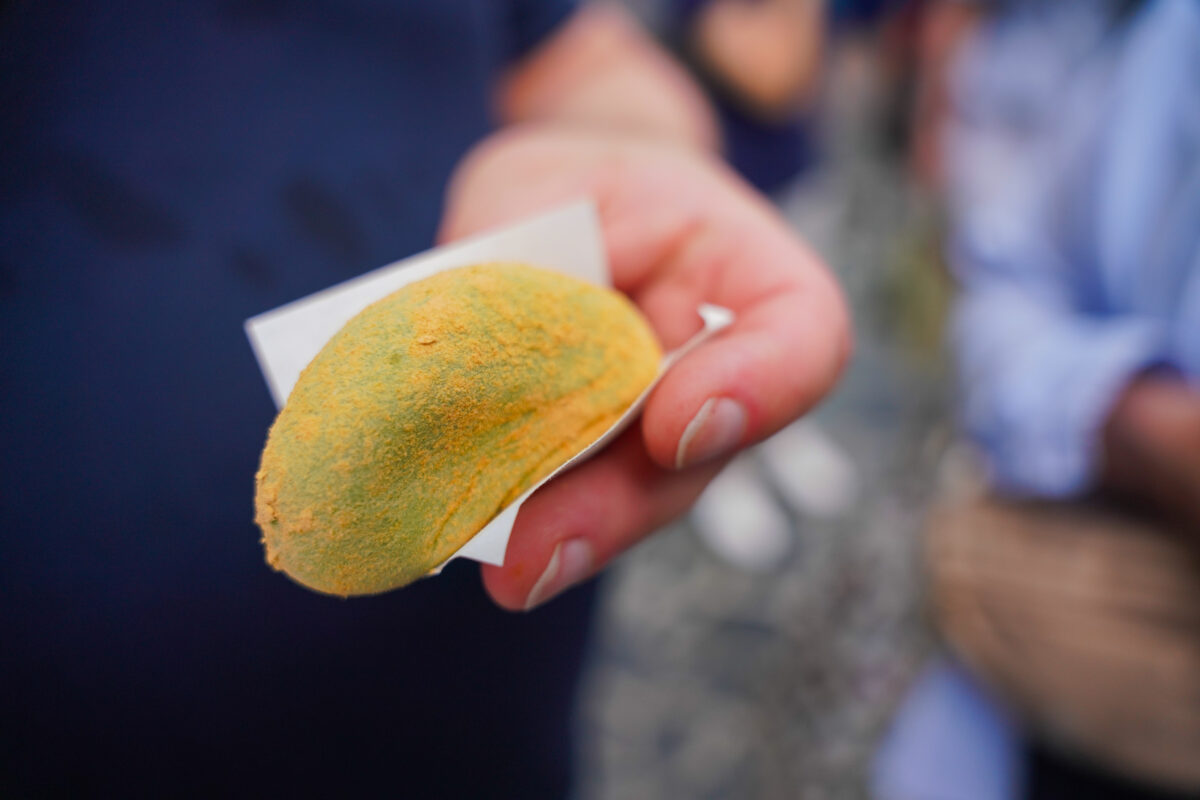
We always have to have at least one sweet on a list like this, and while Japan is known for treats aplenty (we’ll talk about some of those at the end, I promise), there are two that stand out as favorites you’re likely to find all over- mochi and daifuku.
Both of these are rice cakes made with glutinous rice flour that is steamed and pounded into little fluffy balls that has a texture that Angie best describes as “little pillows of heaven.”
Mochi is perhaps a broad term, but these are typically unfilled versions that are either served plain or with a savory powder on top. It is typically not too sweet, and is more a balance of sweet and savory in most instances (although fruit flavored mochi is common).
Daifuku is very similar to mochi in this respect, except with one key difference- it has a filling. More often than not, you’re likely to find daifuku filled with a delicious red bean paste; however, like regular mochi, more and more shops are playing around with fruit, gel, and cream-filled variants to offer more sweet flavors for guests to try. As with everything, you would do well to try both!
Where to get mochi: Mochi is readily available at many souvenir shops, convenience stores, and in restaurants; however, the Nakatanidou Mochi Shop in Nara is a must stop when on a day trip. When visiting, you may get a chance to see the masters pound the mochi at the demo window and get to enjoy this treat while it is still warm! Be sure to pick up some mochi in one of the stores at the airport to take home as a sweet for later, too!
Sukiyaki and Shabu Shabu
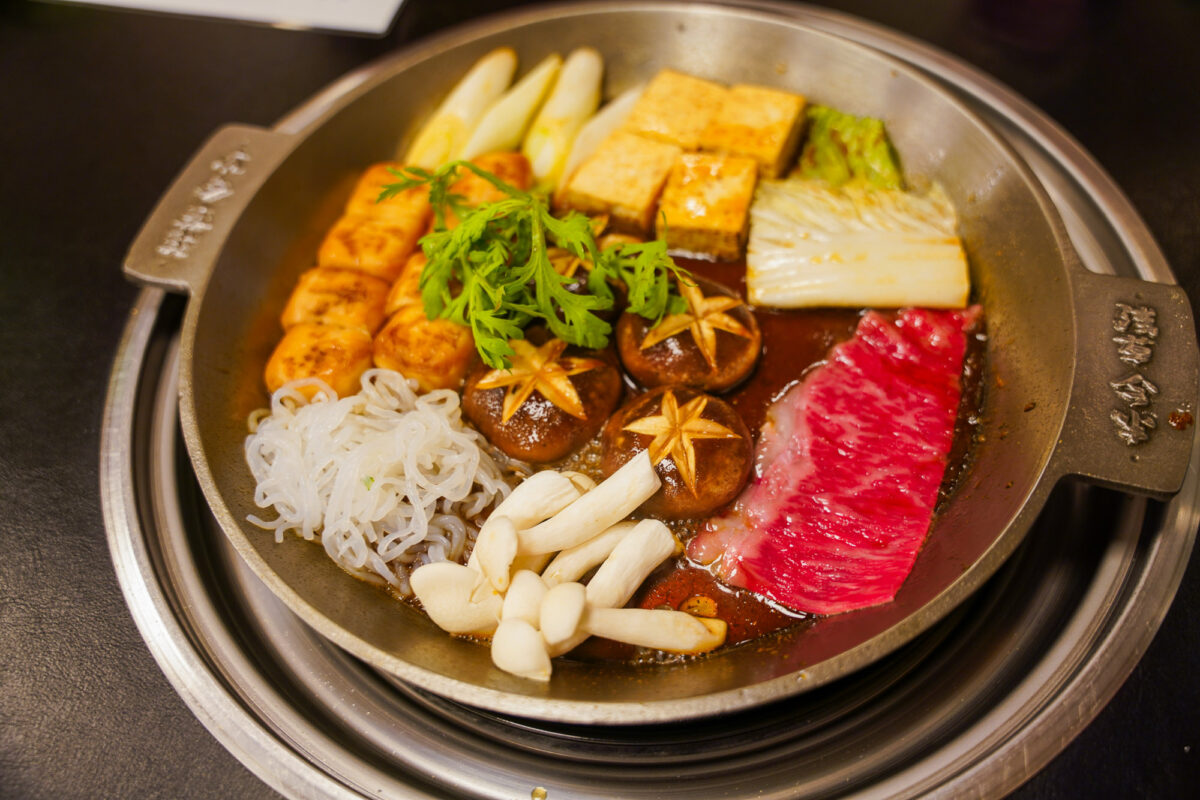
There are still more meat options worth discussing in Japan, and two we really adore are sukiyaki and shabu shabu. As these are both somewhat similar, we are grouping them as one here for simplicity.
Both of these are cooking styles for thinly sliced meats. Shabu shabu, for example, is the Japanese equivalent of a hot pot, where thinly sliced meat and vegetables are cooked in a simmering liquid at your table. Sukiyaki’s main difference is that rather than the meat being submerged in a deep bowl of broth, it is instead cooked in a more shallow bowl with a sauce made of soy sauce, sugar, mirin, and sake- giving a sweet and savory characteristic to it (where shabu shabu is almost always rich).
Shabu shabu may often come with flavored dipping sauces as well, while classic sukiyaki often is served with a raw egg to dip your cooked meat in for a lovely velvety texture that we can’t get enough of.
Where to get sukiyaki and shabu shabu: These dishes may be a bit less common to find, but you can get both at Asakusa Imahan in Tokyo near Asakusa temple, and we highly recommend the sukiyaki. Much like other spots on this list, be prepared for a line when dining here- even at lunch.
Yakitori
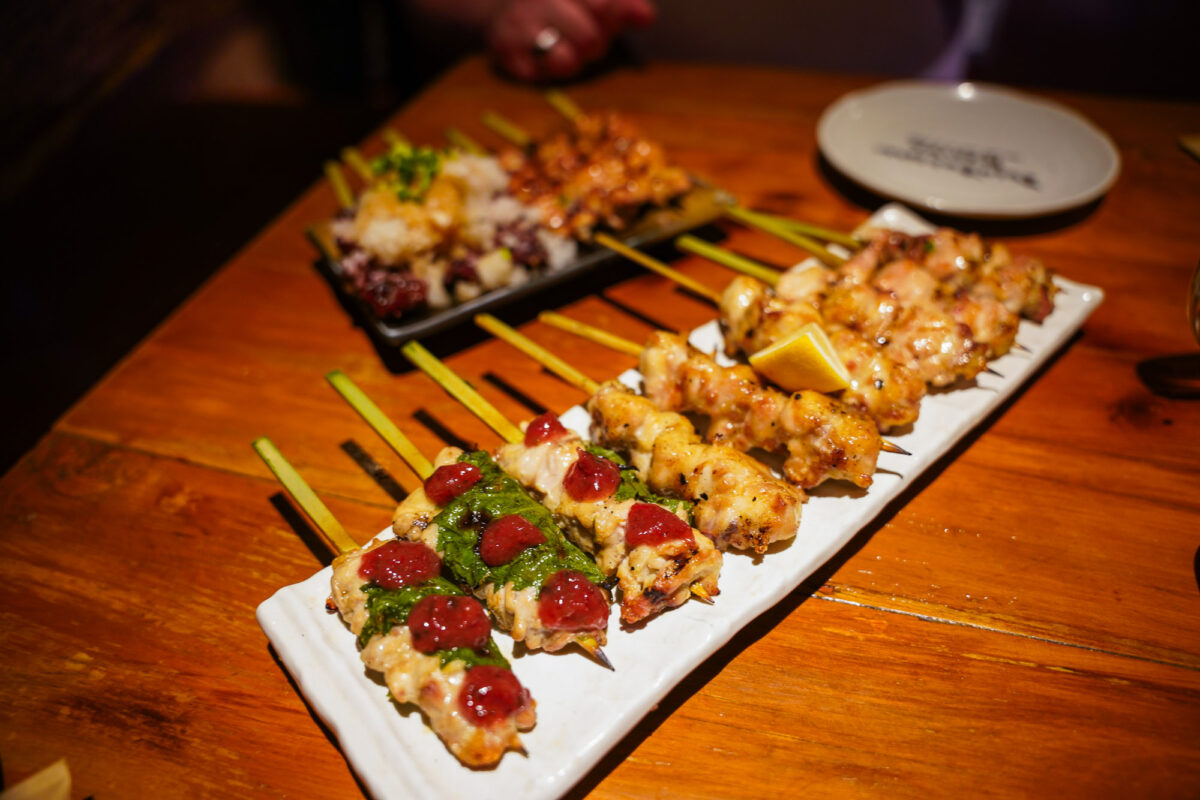
For one final meat option while in Japan, we come to yakitori- roughly translated to “grilled chicken” or “grilled bird”.
These days, yakitori is a broad term used for food items that are put on a skewer and cooked over hot coals. Classics, like chicken, can typically be found alongside an array of options be it wagyu, vegetables, liver and other organs, shrimp, scallops, and many, many more. Some may be served straight up, others may be coated with a thin layer of a tangy and sweet sauce called tare, and no matter what, you are likely going to be eating many skewers in abundance.
Many yakitori restaurants are operated as izakaya, or a pub, where the intention is that you have a round of drinks and food, hang out with friends, order another round of drinks and food, and repeat until you are no longer able to eat or drink anymore. So order up a highball and start pounding down on some delicious skewers (and if you see any with plum and shiso, get double for me)!
Where to get yakitori: We love stumbling into izakayas that serve yakitori, and, honestly, have always had a pretty good experience everywhere we go. One place we randomly found while walking around near Golden Gai in Tokyo was Fukumimi Shinjuju which was so good we have since returned for more on future trips to the city. Reservations are highly recommended or else you may have a bit of a wait when busy, though.
Sake and Umeshu
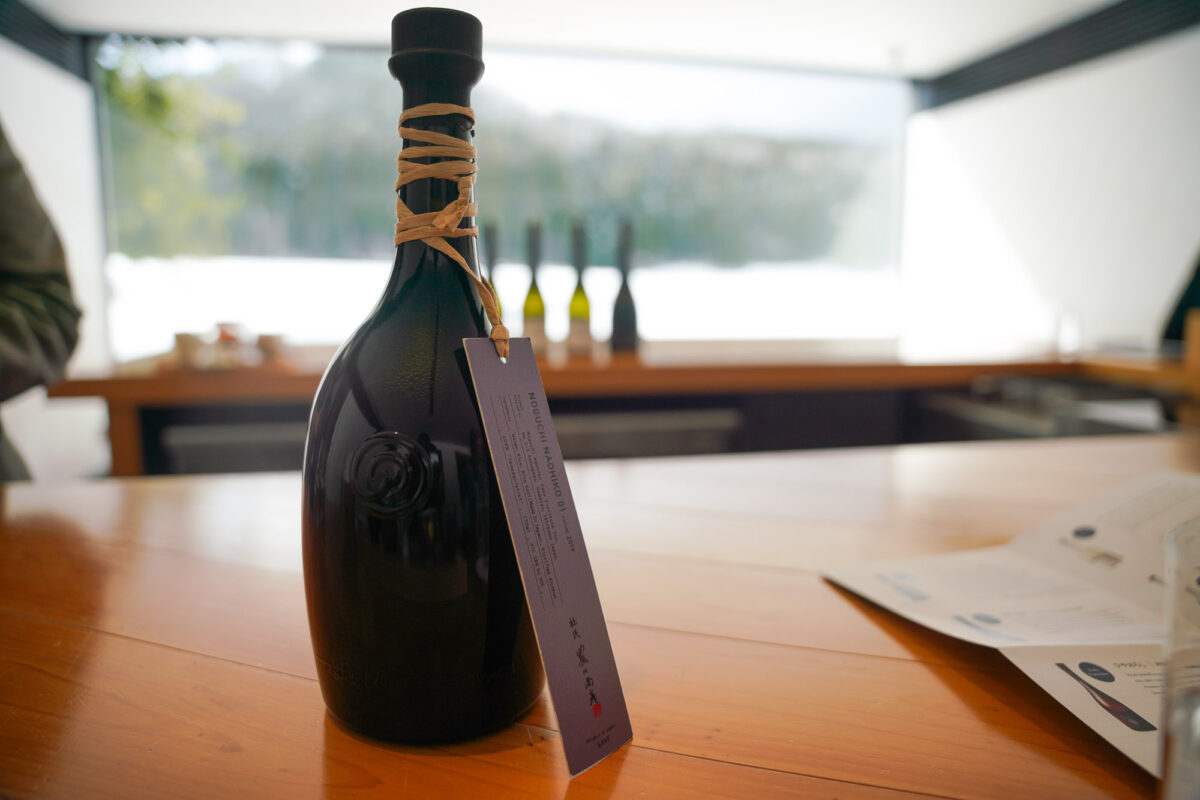
Finally, we’d be remiss if we did not talk about a few famous alcohols in Japan as well, and two of our all-time favorites are sake and umeshu (plum wine)!
These likely do not need further explanation, but we’re going to do it anyway.
Sake is a fermented beverage made of rice and koji that can be served in an array of styles depending on a number of factors like the rice polishing percentage, fermentation techniques, temperature, and more. We are partial to a good Junmai Ginjo ourselves, which requires at least 40% polishing and no additional distilled alcohol added for fortification (they can get quite fruity), but you can have an array of flavor characteristics come out depending on the techniques used in production.
- If you are into more potent spirits, distilled sake is referred to as shochu and should be on your must-try list as well. Personally, we stick to sake.
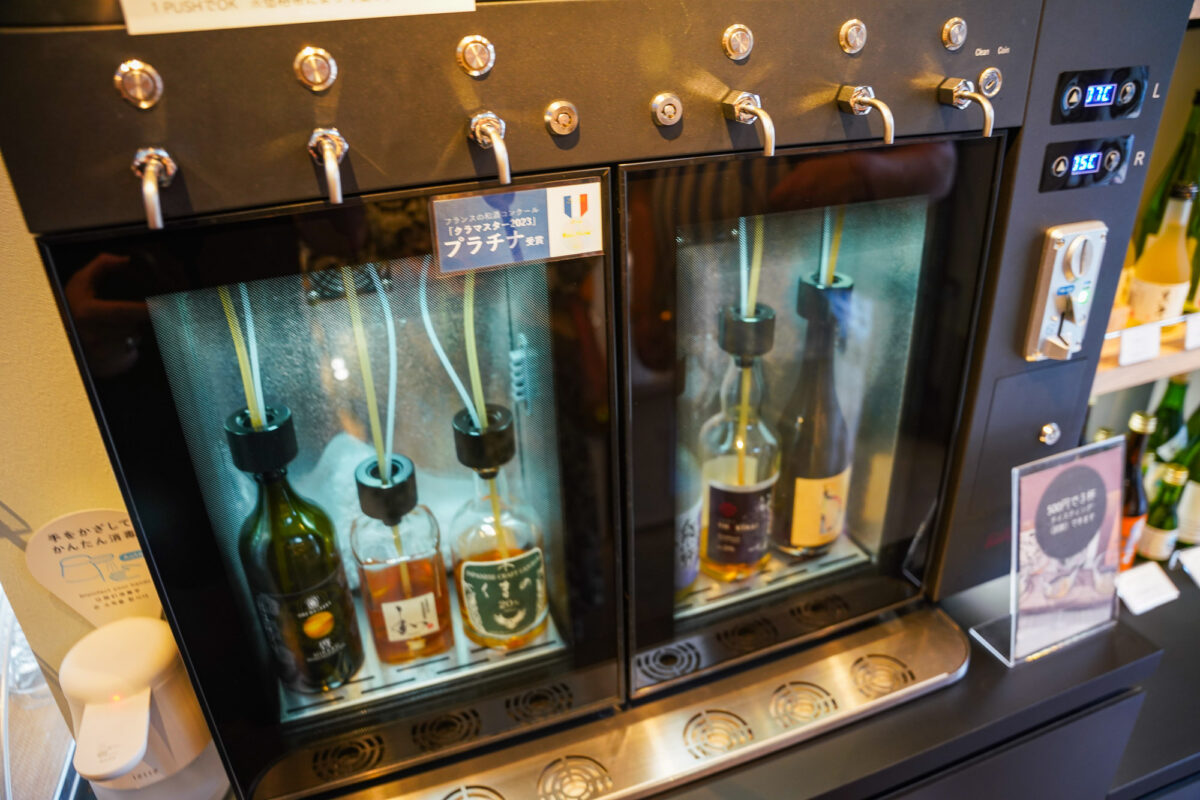
Umeshu (plum wine) is, in most respects, not so much technically wine in the fermentation sense, but more a plum liqueur. Most umeshu is made by soaking Japanese plums on distilled liquor with sugar (such as shochu) to create a wonderful infusion with incredible plum flavorings.
You can likely find some umeshu that has been diluted down to be lower ABV and able to be enjoyed like a glass of wines, others that are more potent and can be enjoyed as a spirit on the rocks or in a cocktail, and every alcohol-level in between. So be sure to order several umeshu highballs, shots, and glasses to enjoy and pick up some bottles to bring home as well- they are a staple in our bar!
Where to get sake and plum wines: Sake can be found all over Japan, but the village of Takayama was a great stop to visit to try six sake breweries within walking distance (Hirase Sake Brewery was one of our favorites). For the more extreme fans of sake, making the journey to the Noguchi Naohiko Sake Institute outside of Kanazawa makes for a stellar day trip (or if you are not that adventurous, at least don’t skip their standing bar in Kanazawa train station).
If you are more interested in sake bars, we really enjoyed Orihara Shoten in Tokyo’s Koto City as well as Sake Ichi in Kyoto; however, note that these bars may have limited service for those who do not speak Japanese.
For plum wine, the small store Umeshudo in Koto City, Tokyo, is a must stop whenever we are in the city to try samples and buy bottles.
- To read more about Takayama sake breweries, click here. For more on the Noguchi Naohiko Sake Institute, click here.
Bonus – Regional Specialties
To end this one, we’d be remiss if we didn’t point out that Japan has such a vibrant food culture that even selecting just 10 great food items is doing the country a disservice. Truly, there is epic food to try all over Japan and we could probably just as easily have made this list be 100 or even 1,000 items if we so chose. (We cut it down to 10 or so of the most common if only because you’ll see a lot of these dishes all over!)
That said, one thing we adore about Japanese cuisine how much regional specialties (“Kyōdo Ryōri”) come into play. Not only for variations in popular dishes, like Hiroshima vs Osaka style okonomiyaki as mentioned above, but in unique food types you may only see in one particular town or region at all!
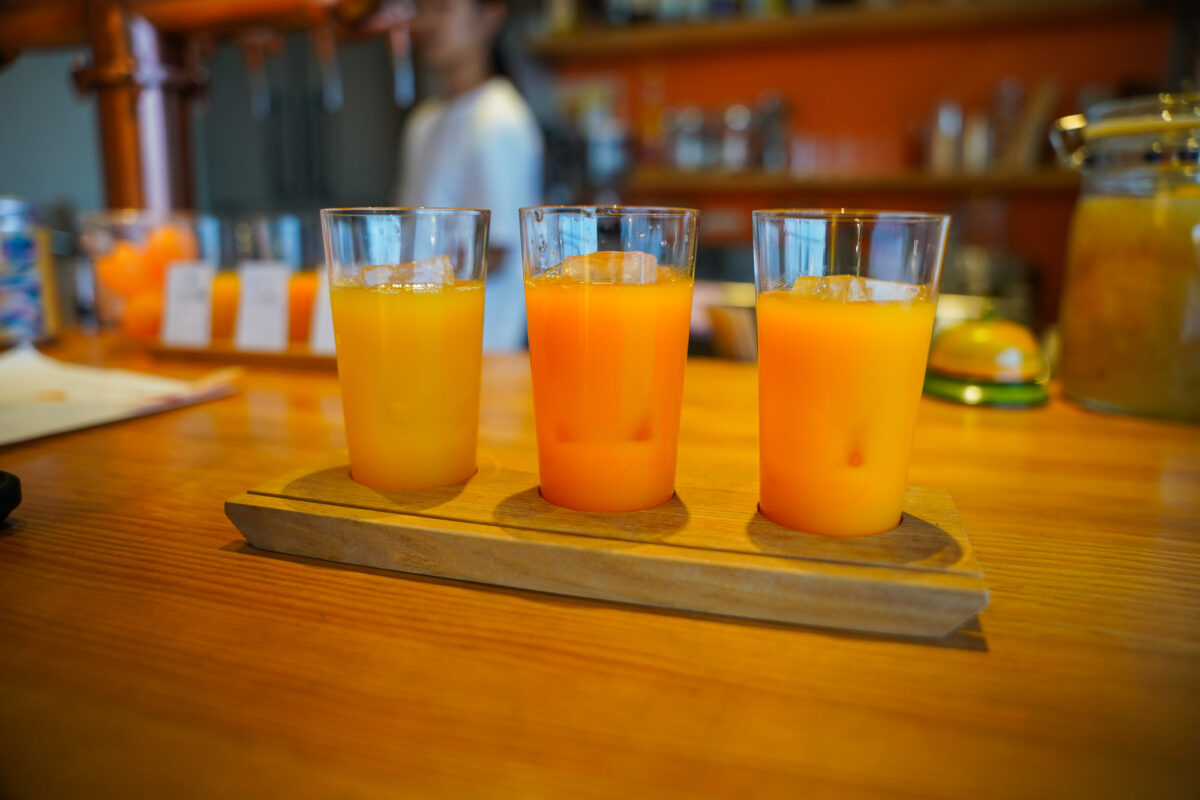
When we did our bike ride from Imabari to Onomichi, for example, we were blown away by the variety of citrus available on the island, and enjoyed an array of juices, pastries, candies, and more during our stay. Could we find them elsewhere? Not at this level of abundance, no. In Kanazawa, for another example, we visited during snow crab season and got to feast on some delectable seafood. In Kyoto, we load up on freshly made nama yatsuhashi to take home (arguably my favorite treat in Japan we’ve had so far- I buy loads of boxes to take home whenever I am in Kyoto). Up in the mountains of Hirayu Onsen, we found an array of preserved Hida beef options as well as candied persimmon to name a few.
We could go on.
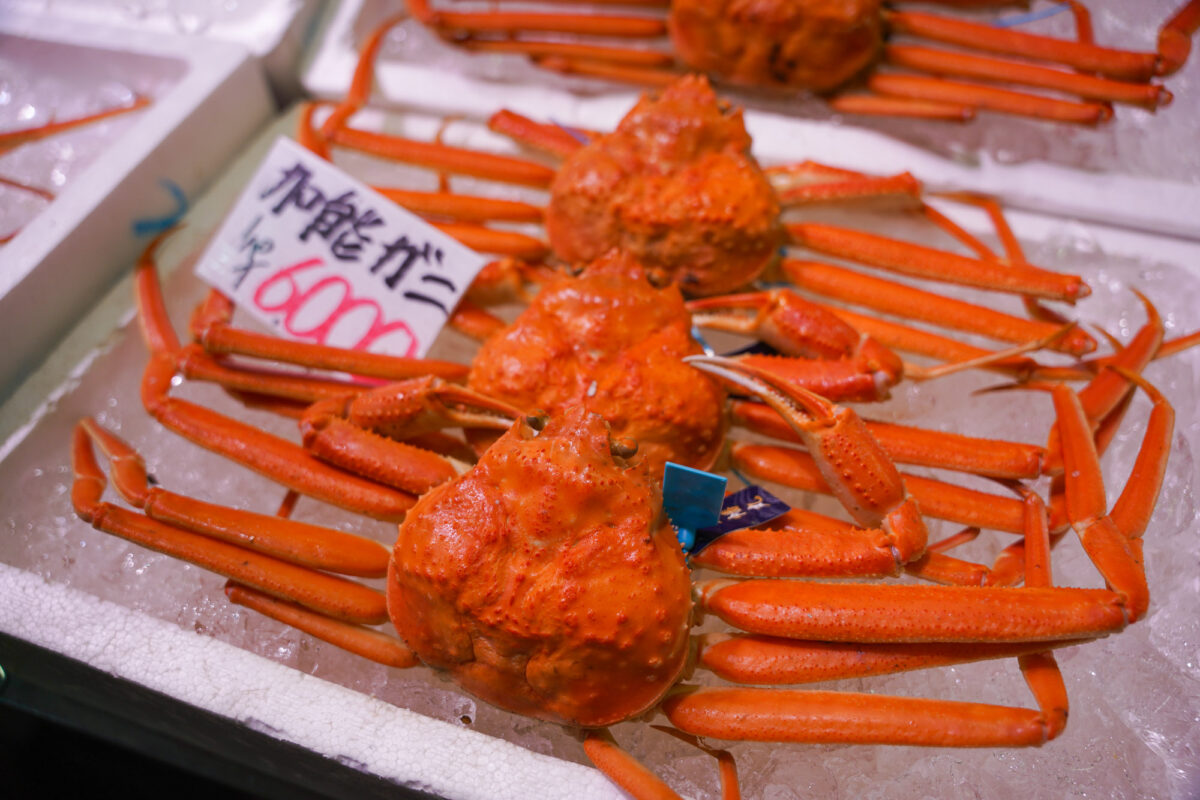
It is because of this that one of our favorite things to do in Japan is to simply wander into gift stores, convenience stores, and other places that may sell many food items and take a look to see what the local specialties are in any city or town we visit. We always will find something interesting to try with a local connection, and discovering it along your journey is part of the fun!
So when eating your way through Japan, hit the staples, of course, but don’t overlook the regional specialties as well!
As we have stated many times by now, this list is just an introduction to some of the best foods in Japan. Even with ten lifetimes spent exclusively in Japan, it is unlikely that we could try everything that this wonderful country has to offer.
But if you’re looking for some staples to get started, don’t overlook these, and we wish you some very, very good eating in one of our all-time favorite countries!
Do you have any favorite Japanese foods you get when traveling in Japan? Comment below to share. Bonus points if you can recommend a restaurant or store to buy them at, too!
Are you overwhelmed with the abundance of food options in Japan? You may want to book a food tour in the cities in towns you visit. Click here to check out some great options.
About Jeremy

About the Author: Jeremy is a full-time travel writer based in Pittsburgh and primary author of this site. He has been to 80+ countries on five continents and seeks out new food, adventure activities, and off-the-beaten-path experiences wherever he travels.